in Issue & Trend
Four Trends Redefining the Way
We Consume
#Scroll Pick #Bakery Pilgrimage #Early Wellness #Attachment Capital
Consumer priorities are shifting beyond price and functionality. Personal values, including health, individual tastes, and relationships, are beginning to play a greater role in purchasing decisions. These changes are creating new trends across a range of areas, from everyday consumption and lifestyle choices to regional tourism and the content industry.
By Professor Byung-woong Kwon, Department of Arts Management, Graduate School of Art, Chung-Ang University
From Search to Scroll: The New Path to Purchase
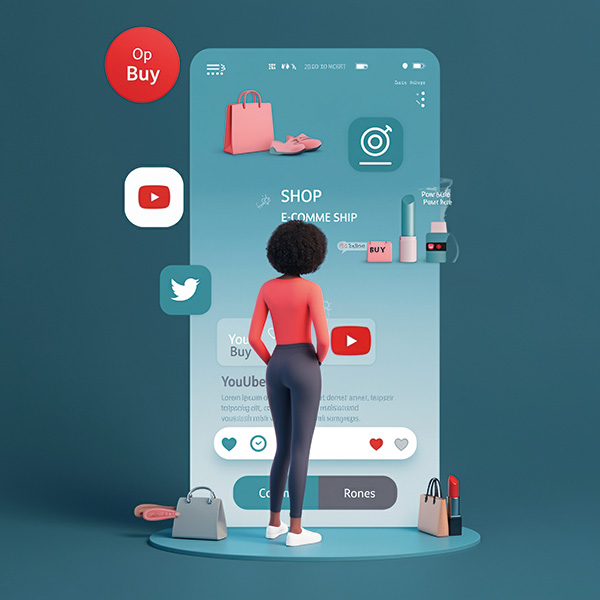
“Scroll pick” refers to a shopping behavior in which consumers discover a product by chance while scrolling through social media feeds, leading them to make a purchase. Unlike the traditional approach of searching for and comparing products before buying, this behavior is characterized by discovering products of interest through algorithm-recommended content and then exploring and purchasing them.
As social media has evolved beyond a space for consuming content into a channel for discovering products, the consumer purchasing journey is also changing. According to Opensurvey's 2026 Fashion App Trends Report for Millennials and Gen Z, Instagram was the leading channel through which consumers first explored clothing and fashion products. The report also found that 49.3% of clothing items discovered on social media were purchased after consumers moved to fashion apps. Social media is increasingly becoming the starting point for product discovery, while purchases are completed on fashion apps. In response, platforms are expanding features that allow users to view product details within content and proceed directly to purchase pages, such as Instagram’s product tags and YouTube’s shopping features.
For brands, the challenge is no longer just to appear prominently in search results. They must also find ways to be discovered and remembered in the few seconds consumers spend scrolling through their feeds.
How Bakery Pilgrimages Are Changing Local Communities
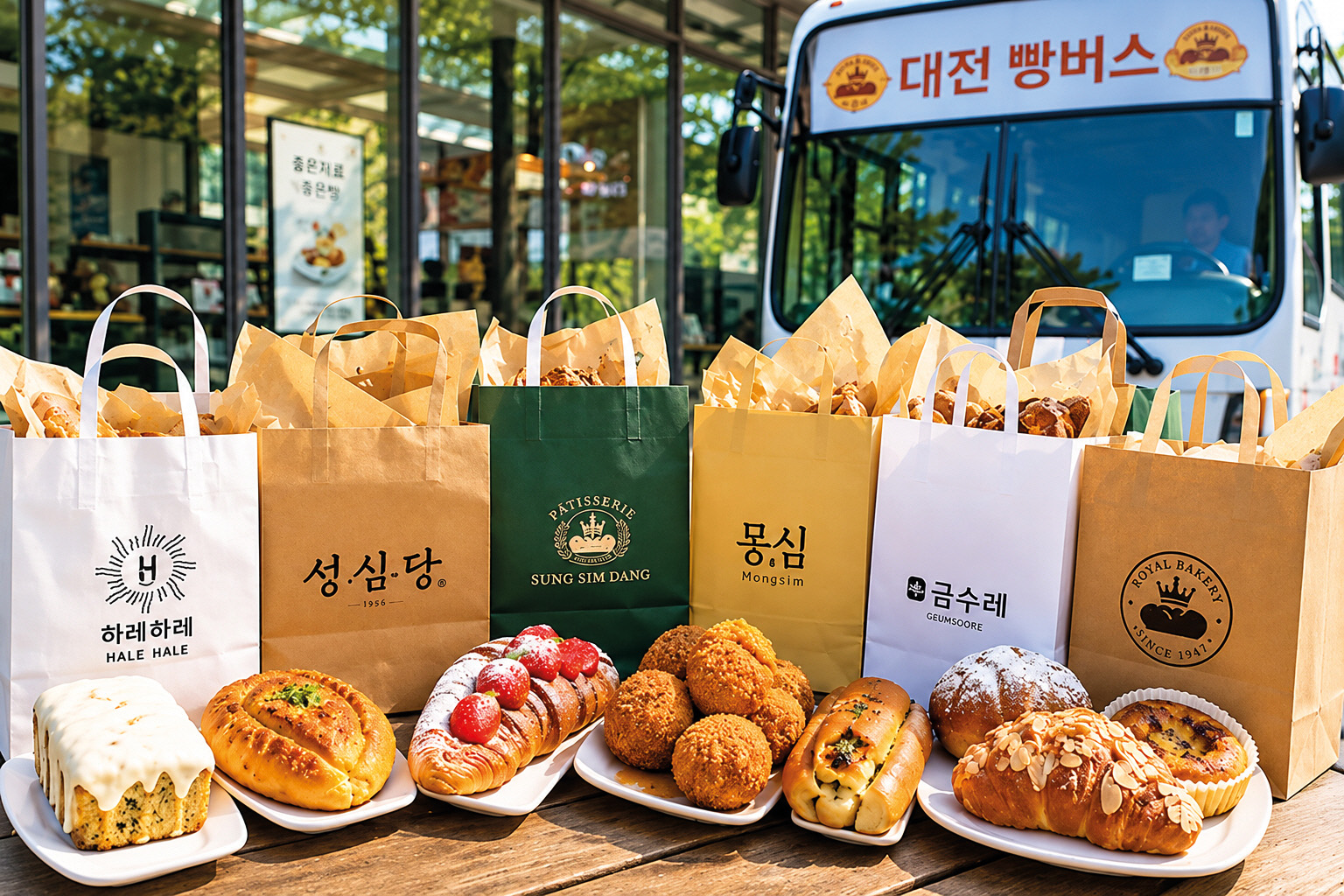
“Bakery pilgrimage” refers to the growing practice of traveling to other regions specifically to visit famous bakeries. The Korea Tourism Organization has also cited bakery pilgrimages as a keyword exemplifying “one-point travel,” or trips centered on a particular interest. Rather than visiting a famous bakery while traveling, consumers make the bakery itself the reason for the trip.
This trend is also closely linked to the growth of regional brands. Sungsimdang in Daejeon has become more than the city's signature bakery. It is now a destination that tourists deliberately seek out. The city of Daejeon has also incorporated bread into its tourism offerings by operating tour packages that combine local bakeries with tourist attractions.
More recently, the trend has expanded beyond tourism into education and employment. For the 2027 academic year, Woosong College is expanding its existing Sungsimdang Meister Class into an Industry-Linked Major (Sungsimdang) in its Division of Baking and Pastry and recruiting new students. In the first round of early admissions for the 2027 academic year, 471 applicants competed for 33 places, a ratio of 14.27 to 1. The program is designed to provide education and workplace training that can lead to employment at Sungsimdang. Bakery tourism is now developing into a key part of local industry that connects regional brands, tourism, education, and employment.
 © Korea Tourism Organization
Wellness Starts Young
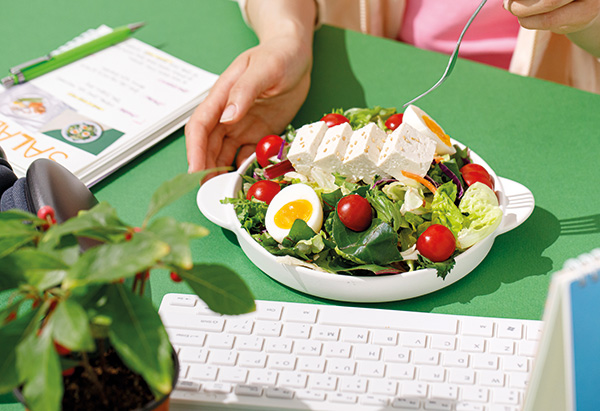
“Early wellness” describes the trend of treating health management not as a concern reserved for middle-aged and older adults, but as a daily habit that begins at a younger age. This mindset is spreading particularly among younger generations, who are increasingly monitoring and managing their health before problems arise, with attention to sleep, nutrition, and recovery. This shift in health awareness is also reflected in consumer spending. In December 2025, CJ Olive Young, one of Korea’s leading health and beauty retailers, reported that the number of customers aged 15 to 24 buying wellness products had grown at a double-digit rate every year since 2022.
Young consumers’ interests are expanding beyond nutrition to include sleep and recovery. In the same announcement, CJ Olive Young reported that sales of sleep-related health products had increased by more than 300% year-on-year. Meanwhile, wellness products are becoming available in a wider range of convenient formats, including candies and gummies. A defining feature of this trend is that consumers increasingly view health management not as an obligation or a test of willpower, but as a sustainable lifestyle habit that takes taste, convenience, and personal preferences into account. In response, industries ranging from food and beauty to home and living are developing increasingly specialized wellness products and services for younger consumers.
When Fans' Affection and Trust Become a Form of Capital
“Attachment capital” refers to the phenomenon in which the emotional bonds and trust that fans develop with content, creators, and brands lead to sustained engagement and consumption, generating economic and cultural value. The concept treats fans not simply as buyers, but as active participants who help content and IP thrive over time.
The K-pop industry clearly demonstrates how fans’ emotional attachment translates into spending. According to Kiwoom Securities, merchandise revenue at Korea’s four major entertainment companies1 reached approximately KRW 1.1 trillion in 2025, up more than 40% from the previous year. The figure is projected to rise to approximately KRW 1.6 trillion in 2026. Fans do more than listen to albums. They maintain their connections with artists through a range of products and experiences, from photocards and merchandise to concerts and pop-up stores.
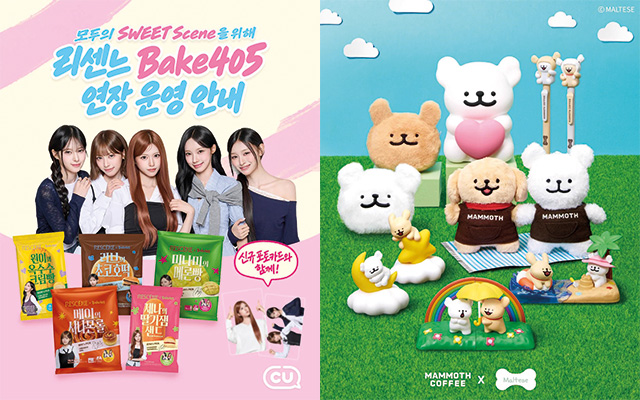
The same phenomenon is evident in character merchandise. From January to September 2026, 7-Eleven’s sales of character merchandise in Korea increased fourfold year on year. As characters with established fan bases, such as Hello Kitty and Hangyodon, appear on food products and household goods, fans’ desire to own and collect items featuring their favorite characters is translating into purchases. Sustained relationships with fans thus encourage repeat purchases and continued engagement, playing an important role in expanding the value of content and character IP.
- 1. Korea’s four major entertainment companies: HYBE, SM Entertainment, YG Entertainment, and JYP Entertainment.
 L: © BGFretail / R: © MALTESE