The Reemerging Importance of Energy Security: New Imperatives for Energy, Supply Chains, and Industrial Strategy
Strategic Response to Energy Crises:
Lessons from the Closure of the Strait of Hormuz
The closure of the Strait of Hormuz carried implications far beyond military confrontation, illustrating a structural shift in the global order in which energy supply chains have emerged as instruments of geopolitical influence. With its heavy dependence on energy imports from the Middle East, the Korean economy is exposed to cascading macroeconomic risks and uncertainties across advanced industries as raw material prices soar. National survival is increasingly being tied to energy security, underscoring the urgent need for a comprehensive energy security strategy.
By Hong Chong Cho, Professor of Economics, Dankook University
The Strategic Value of Energy Resources in a Shifting Global Order
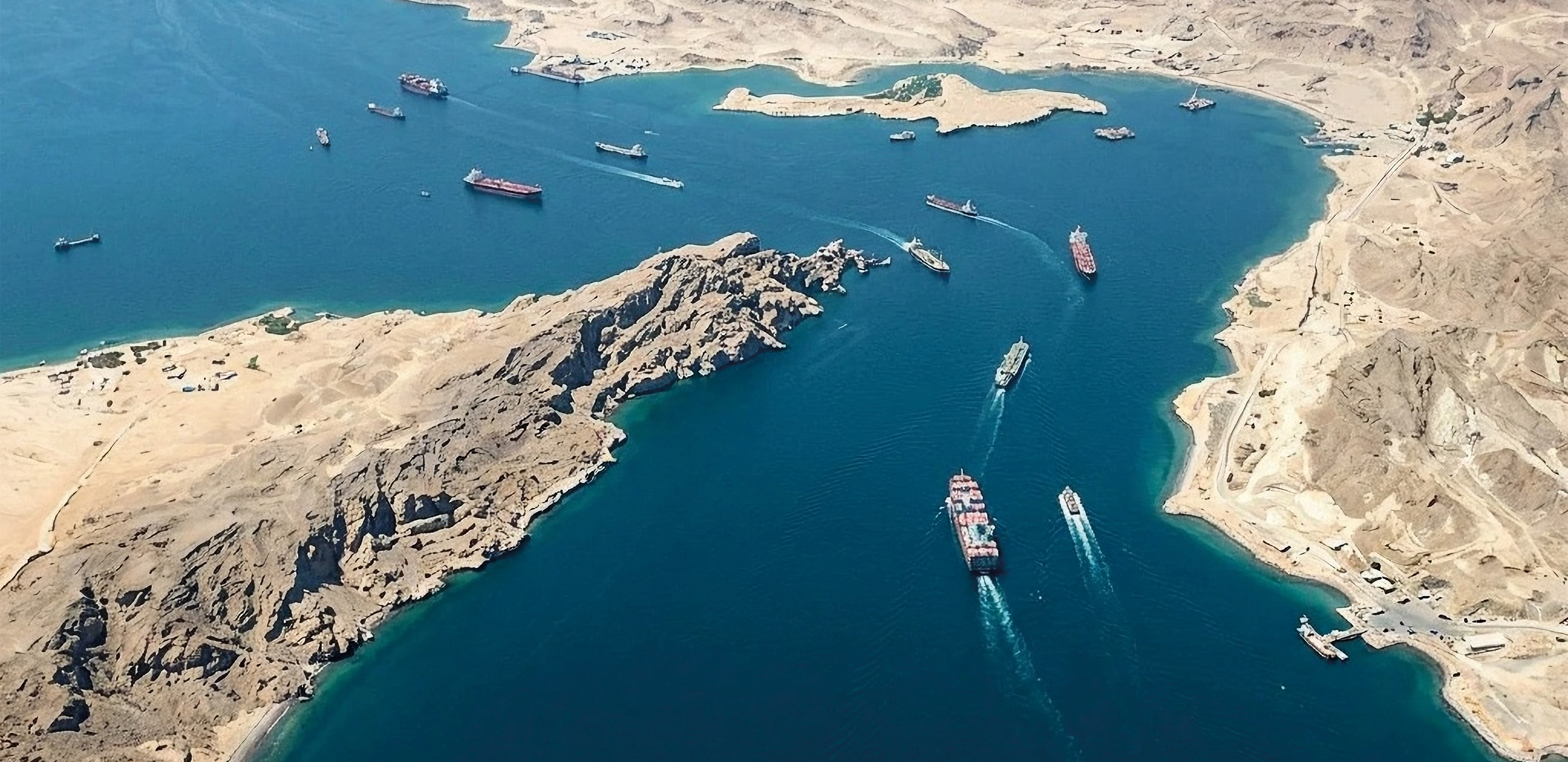
On February 28, 2026, the United States and Israel launched preemptive strikes against Iran, citing the need to neutralize Iran's nuclear facilities and support anti-government protesters, effectively pushing the region into a state of war. The Iranian Parliament immediately resolved to close the Strait of Hormuz, effectively shutting down the strategic waterway that carries roughly one-fifth of the world's seaborne crude oil. According to U.S. Central Command, 41 oil tankers carrying approximately 69 million barrels of crude oil were stranded following its closure. After a period of closure, the United States and Iran reached an agreement for a gradual reopening of the strait.
While the immediate crisis was triggered by military confrontation, at a deeper level, the conflict reflected a paradigm shift in energy power brought about by the shale revolution. It enabled the U.S. to become far less dependent on Middle Eastern energy resources and to achieve a level of energy self-sufficiency. Marking an inflection point, the U.S. emerged as the world's largest crude oil exporter and a natural gas exporter to Europe, strengthening its hegemonic influence over the global energy market. This has resulted in an international energy landscape where countries are increasingly left to fend for themselves in securing the energy they need.
The Strait of Hormuz is a critical chokepoint that connects major oil and gas production and export facilities across Saudi Arabia, the United Arab Emirates, Kuwait, Iraq, and Qatar. The capacity of bypass pipelines is only 2.5 million barrels per day, far less than the nearly 20 million barrels per day that normally pass through the strait. To restore the flow of oil in the event of a blockade, there are few practical alternatives other than reopening the strait or securing replacement supplies.
Additional U.S. interests in the regional conflict include restricting Chinese access to discounted Iranian energy resources and preserving the petrodollar system. The U.S. is sending a warning signal: choose between the U.S. and China. The U.S. seeks to prevent oil from being traded in Chinese yuan, defend the dollar's value, and reinforce U.S. primacy.
At the same time, energy transition initiatives across the globe have discouraged new upstream investments in fossil fuel production. The global capacity to respond rapidly to supply disruptions was reduced, leaving the system more exposed to serious damage. Although the conflict eased before the end of June and the worst-case scenario was avoided, the crisis underscored the structural reality that energy supply chains have become a powerful geopolitical lever.
Macroeconomic Turbulence and Cascading Impact on Advanced Industries
Before the conflict, Brent crude traded at around USD 66 per barrel. By May 19, prices had climbed to USD 111.34, spiking by 68.7%. Asian LNG spot prices (JKM) also surged from a February average of USD 10.75 to USD 19.62 per MMBtu by May 19, up 63.94% year on year, following Qatar's declaration of force majeure, which disrupted LNG supplies to Northeast Asia. Approximately 70.7% of Korea's crude oil imports originate from the Middle East, and around 20% of its natural gas imports are transported through the Strait of Hormuz.
Although Korea increased imports of crude from outside the Middle East by nearly 30% immediately after the closure, temporarily reducing the Middle Eastern share of imports to 62.9% in March, import costs still rose sharply due to higher freight rates, insurance premiums and spot market prices. Daily charter rates for very large crude carriers (VLCCs) reached a record USD 500,000, while war-risk insurance premiums for vessels transiting the Strait of Hormuz increased twelvefold. Higher jet fuel prices also forced airlines, including Scandinavian Airlines and Air New Zealand, to cancel approximately 1,000 flights each, reflecting broader increases in petroleum product prices.
According to the Bank of Korea and the Korea Development Institute (KDI), if crude oil prices remain above USD 100 per barrel, consumer inflation could once again rise to the upper-4% range. A twin shock is also emerging on the exchange-rate front, as safe-haven demand for the U.S. dollar places upward pressure on the won-dollar exchange rate and further increases import prices. Korea's crude oil import bill rose from USD 2 billion in February to USD 2.3 billion in March and USD 2.8 billion in early April, eroding the country's trade surplus at a rapid pace.
The petrochemical industry faces some of the most immediate challenges. Korean producers, already under industry-wide pressure to restructure due to Chinese oversupply, now face sharply higher naphtha costs, since 56.8% of Korea's naphtha imports sourced from the Middle East. Yeocheon NCC is reportedly reviewing the closure of its No. 2 and No. 3 plants. Semiconductors and other advanced industries are also vulnerable. Qatar supplies 43% of Korea's helium imports, and a prolonged period of disruption could affect semiconductor and display manufacturing. Meanwhile, higher fuel surcharges and longer shipping routes are weighing on airlines and shipping companies, while energy-intensive industries such as automobiles, steel and shipbuilding face the prospect of higher electricity prices.
Since roughly 80% of Korea's LNG imports are indexed to oil prices and those prices are reflected domestically with a four- to five-month lag, the full impact on Korea's electricity market is expected to emerge during the summer peak demand season. With LNG accounting for approximately 28% of Korea's power mix, sustained increases in gas prices could significantly worsen utility losses unless electricity rates are adjusted accordingly. Rising energy costs are also expected to push up prices for materials, components and fertilizers, ultimately leading to higher food prices, service costs, and wages.
Survival Conditions for an Energy-Resource-Poor Country: The Urgency of an Integrated Security Strategy
To minimize the cascading shock to Korean industry, Korea must fundamentally strengthen its energy supply-and-demand system and establish a carefully designed national energy security strategy.
First, the diversification of import sources must be institutionalized. Although replacing Middle Eastern heavy crude remains difficult, Korea has no choice but to diversify both its refinery configuration and sources of oil supply if it is to upgrade and transform its refining industry. For a country without domestic resources, excessive reliance on a single chokepoint can quickly turn into a major national risk, as the recent crisis has shown. Korea should therefore expand imports of U.S. crude oil and natural gas while pursuing a broader diversification of supply sources.
Second, Korea must revive overseas resource development and expand equity participation in energy assets. While Japan's resource self-development ratio stands at 42.1%, Korea's remains at only 10.8%. The ability to secure overseas resources with domestic investment capital is one of the most important foundations of energy security. For resources that do not exist domestically, Korea must increase its stake in overseas resource assets. Whether through direct overseas resource development or equity investment, Korea must secure access to resources that can be brought in when needed, regardless of market conditions.
Third, Korea must expand global energy cooperation and strengthen the capabilities of its trading companies. Since it is not always feasible to secure resources through direct ownership or overseas assets, and since not every resource, material, or component can be procured that way, Korea needs diversified supply networks and multiple procurement channels. This requires capable trading companies that can source resources across global markets, as well as globally experienced professionals who can help secure critical supplies. Korea should also strengthen bilateral and trilateral energy cooperation with the United States and Japan, including standing arrangements such as LNG swaps, to enable joint responses in times of energy crisis.
Fourth, Korea should expand baseload power and domestic energy sources. The role of nuclear power, coal, and other baseload sources should be redefined from an energy security perspective, with the goal of ensuring a stable, round-the-clock supply. Korea should also build a full-cycle nuclear ecosystem, from enrichment to reprocessing, and begin preparing now for revisions to the Korea-U.S. Nuclear Cooperation Agreement. Renewable energy, too, can become a true security asset only when backed by domestic supply chains. Korea must urgently localize production across the solar, wind, and battery value chains, from raw materials to equipment. Genuine energy security requires a domestic production base for the equipment and materials that underpin the energy system.
Fifth, Korea must improve energy efficiency on the demand side. From industry to households, Korea needs measures that reduce demand through greater energy efficiency. Structural reform is needed to lower energy intensity itself, including stronger industrial energy-efficiency standards, demand management for power-intensive businesses, and broader efficiency improvements across the economy.
Korea is an energy-resource-poor country, so energy security matters more for Korea than for most countries. If an energy crisis brings industry to a halt, national survival itself could be put at risk. The recent Middle East energy shock marks the beginning of a period in which the energy landscape is entering into a fundamentally abnormal phase. In energy security, allies matter, but they are not a guarantee. No one other than Korea will protect Korea’s energy security. Because such crises are likely to recur, Korea needs a clear-eyed energy security strategy. Energy security must be elevated to a top national policy priority, integrating national security, diplomacy, industry, and technology into a single strategic framework.