in Story & News
A Fragrant Respite in Jeju
OSULLOC Tea Museum
A seed planted on a barren plot of land in Jeju has, over 45 years, grown into Korea’s largest organic tea plantation. What began as a single entrepreneur’s determination to revive Korean tea culture has invigorated the local economy and created a destination for rest and renewal that attracts approximately two million visitors each year. OSULLOC Tea Museum offers a journey where visitors can experience harmony with local ingredients and find a moment of rest amid the rhythms of nature.
By Na-yeon Kim
Photo Credit OSULLOC
A Restorative Green Space Shaped by Nature and People
Widely regarded as a must-visit destination in Jeju, OSULLOC Tea Museum stands as a testament to the transformation of a harsh natural environment into a shared and sustainable asset. At the heart of its origin lies the conviction of Sungwhan Suh, founder of Amorepacific, who was committed to restoring Korea’s traditional tea culture. In the mid-1980s, green tea consumption in Korea was nearly nonexistent. Despite widespread skepticism about the commercial viability of the tea business, he viewed tea not merely as a product, but as a valuable cultural heritage, and continued his efforts to cultivate what was then considered barren land.
Approximately 3.3 square kilometers of organic tea fields, developed from reclaimed land in 1979, now serve as both an ecological foundation that helps preserve Jeju’s clean natural environment and a key pillar of the local economy. OSULLOC has also introduced blended teas inspired by Jeju-origin ingredients such as camellia and citrus, while offering food and beverage menus that incorporate fresh local produce, including hallabong and cheonhyehyang, two signature Jeju citrus varieties, and Udo peanuts. These initiatives foster collaboration with local businesses and farmers.
The experience begins in the mist that envelops the tea fields. Visitors can enjoy tea brewed from leaves nurtured by the air of Hallasan Mountain, while taking in the expansive landscape where vast tea fields meet contemporary architecture. The setting invites a slower pace, aligned with the rhythms of nature.
Beyond tea as a beverage, the museum expands its role into the realms of culture and gastronomy. Visitors can experience the entire process from tea roasting to tea-infused cuisine using Jeju ingredients, as well as premium dining enhanced by the culinary sensibility of a Michelin-starred chef. The tea fields also contribute to environmental sustainability by absorbing more than 110,000 tons of carbon dioxide annually. Through these efforts, OSULLOC offers a form of rest that combines ecological responsibility with cultural enrichment.
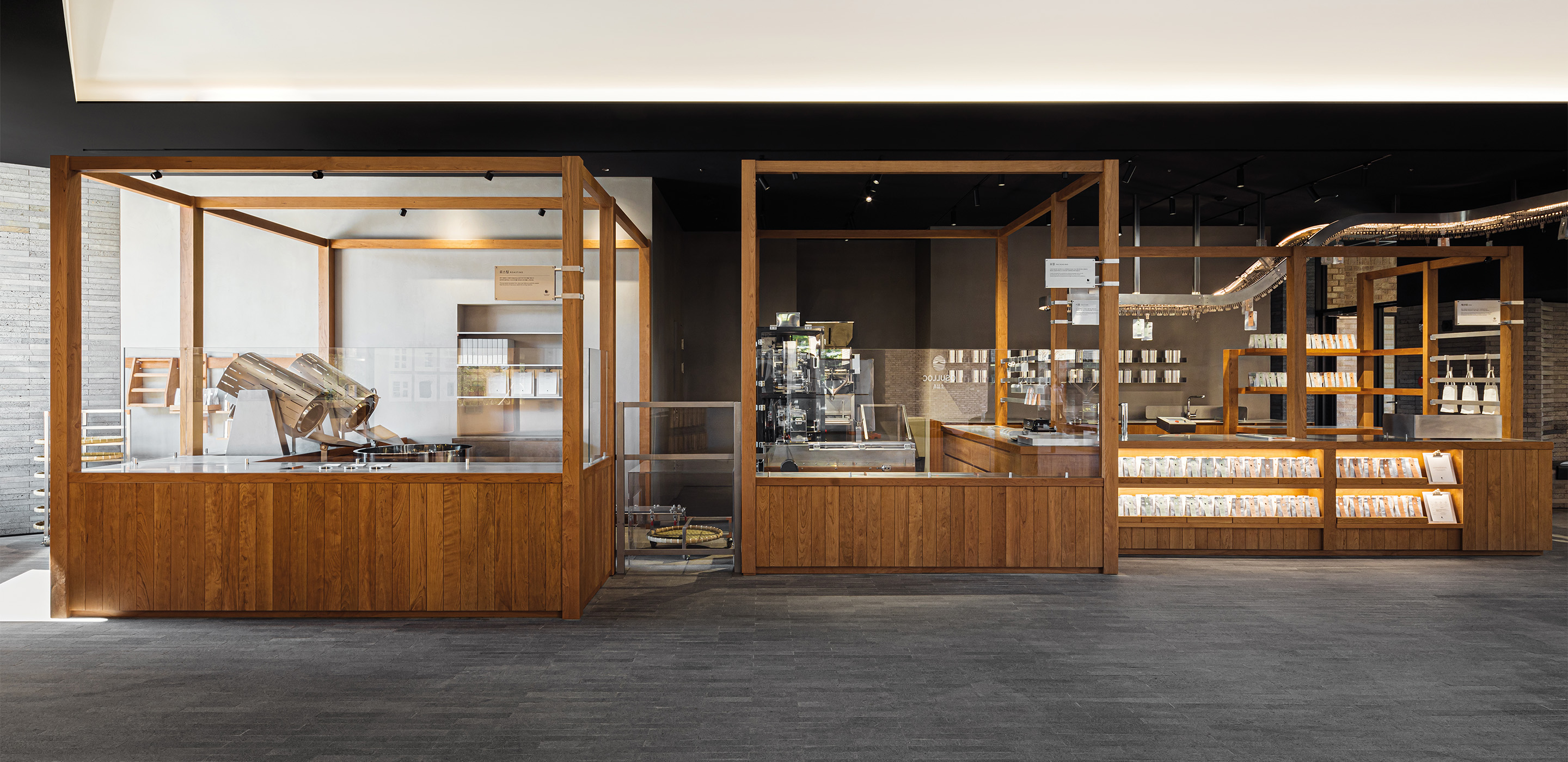
Spot 1. Tea Museum Roastery: The Fresh Aroma of Roasted Tea
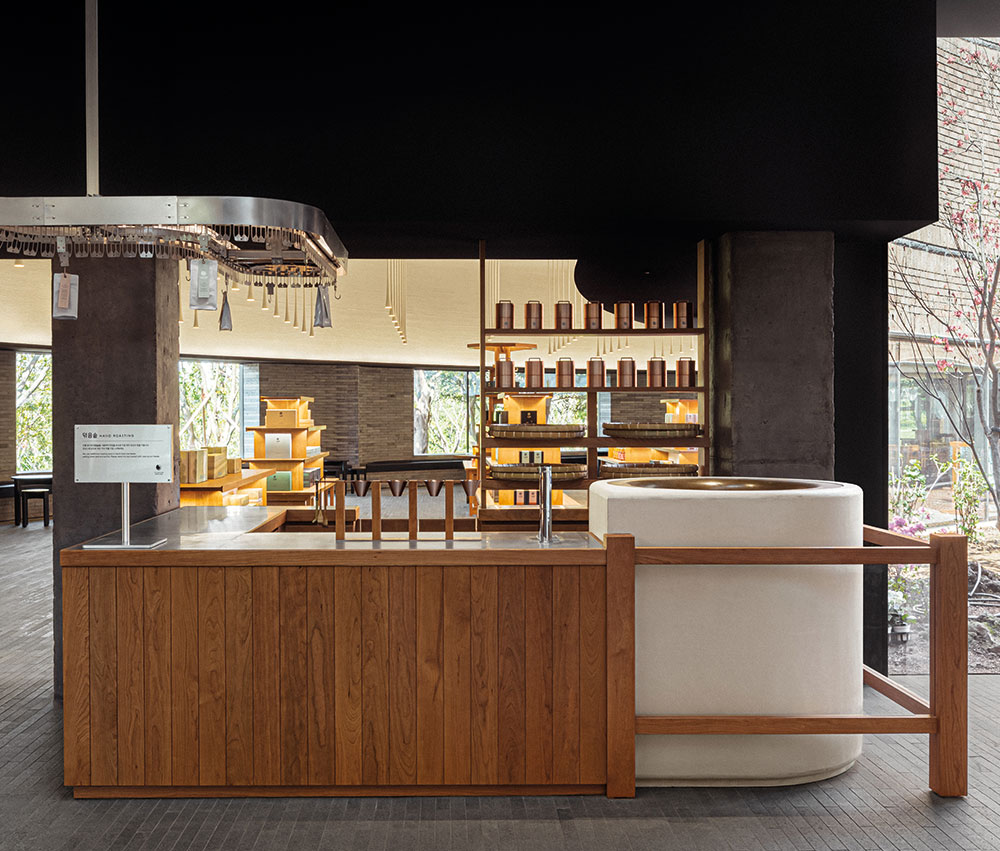
At the heart of the OSULLOC Tea Museum, the Tea Museum Roastery welcomes visitors with the rich, nutty aroma of freshly roasted tea. Here, guests can observe the full process of transforming freshly harvested tea leaves from Jeju’s fields into a cup of tea.
Further inside, visitors can enjoy a panoramic view of the Seogwang tea farm while tasting freshly brewed tea. Signature offerings such as OSULLOC’s matcha latte, along with “Jeju only” menu items including Hallabong affogato and Udo peanut affogato, incorporate local specialties to capture the vitality of Jeju.
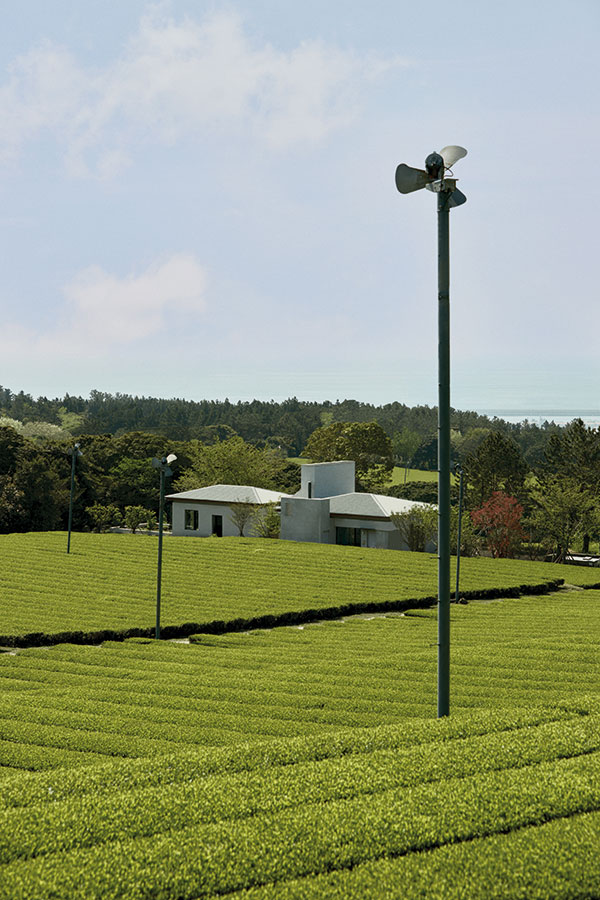
Spot 2. Seogwang tea farm: A Vast Landscape Shaped by Two Decades of Dedication
Located near Sanbangsan Mountain, Seogwang tea farm was established on rocky terrain once considered unsuitable for cultivation due to strong winds and poor soil conditions. Over two decades, it has been transformed into an ideal environment for producing high-quality tea. Clouds and mist formed as air passes over Mt. Halla act as natural shade, enhancing the color and quality of the tea leaves. Walking paths that wind through the fields connect with the surrounding Gotjawal Forest and nearby historical sites, adding depth to the travel experience in western Jeju. As visitors stroll through vast tea fields, they are accompanied by the subtle fragrance carried by the wind and are reminded of the time and effort required to transform barren land into a thriving landscape.
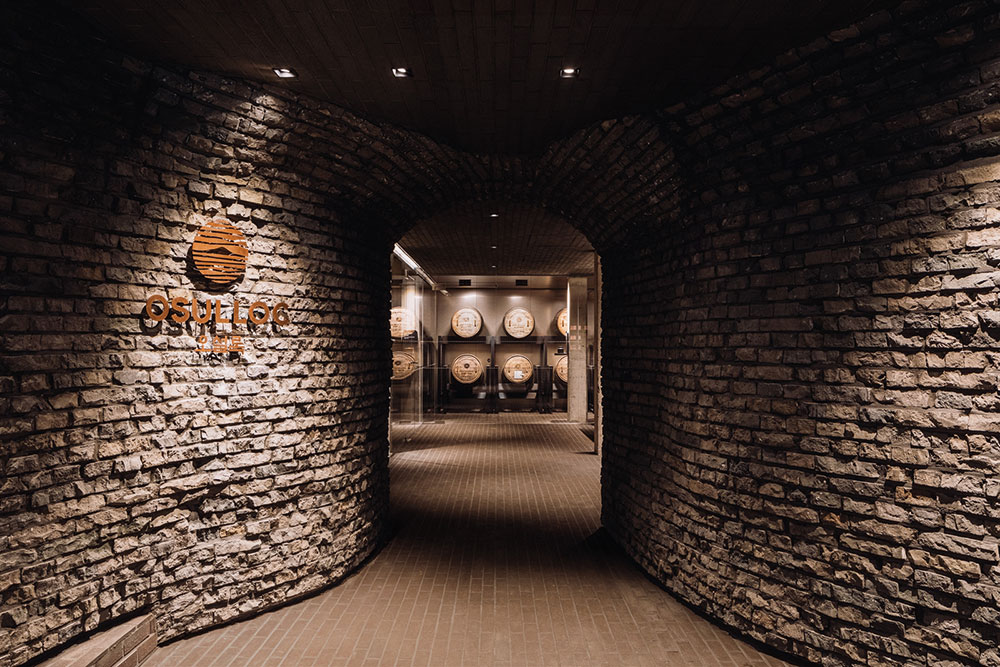
Spot 3. Tea Stone Cellar: A Hidden Forest of Aged Tea
The Tea Stone Cellar, renovated in 2025, is a space where aged teas are carefully preserved over time. Descending through a dimly lit corridor into the lower level, visitors are enveloped by the warmth of tea and the scent of wood. Aged tea stored in specially crafted containers made from Jeju cedar, camphor wood and oak barrels develop a depth of flavor distinct from conventional tea leaves. Visitors can sample and purchase exclusive products created with OSULLOC’s aging techniques, giving them a uniquely immersive experience.
Spot 4. Tea Terrace Matcha Noodle Bar: Through the Eyes of a Michelin-Starred Chef
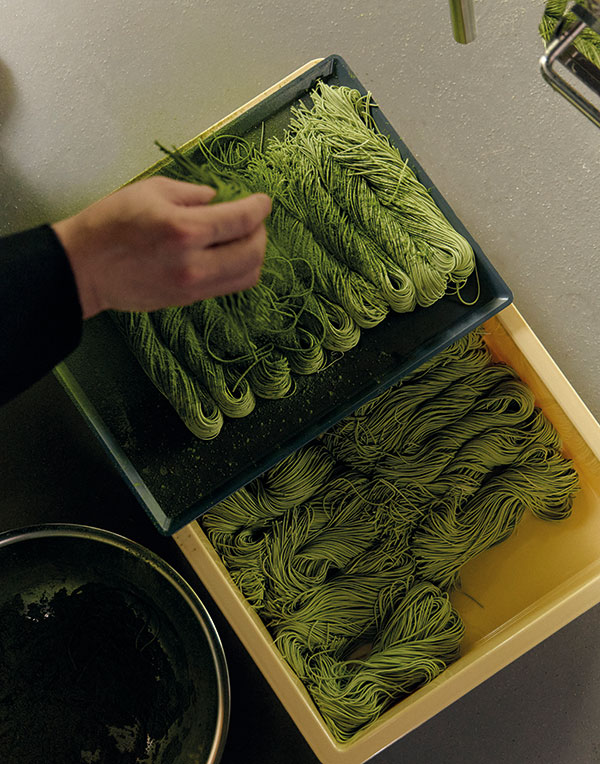
Taking tea beyond the cup and into the kitchen, the Tea Terrace Matcha Noodle Bar is a premium tea-pairing dining space developed in collaboration with Michelin-starred chef Do-yun Kim. Set against the backdrop of the Gotjawal Forest, the open kitchen and noodle-making room allow visitors to observe the daily preparation of vibrant green matcha noodles. Drawing on more than 17 years of experience in noodle cuisine, the chef has created both hot and cold matcha dishes that highlight the subtle yet profound flavor of matcha. The experience begins with roasted tea served as an aperitif, followed by dishes such as spicy noodles featuring Jeju bracken and rapeseed greens. This culinary journey offers a distinctive and healthy way to experience Jeju’s natural ingredients.
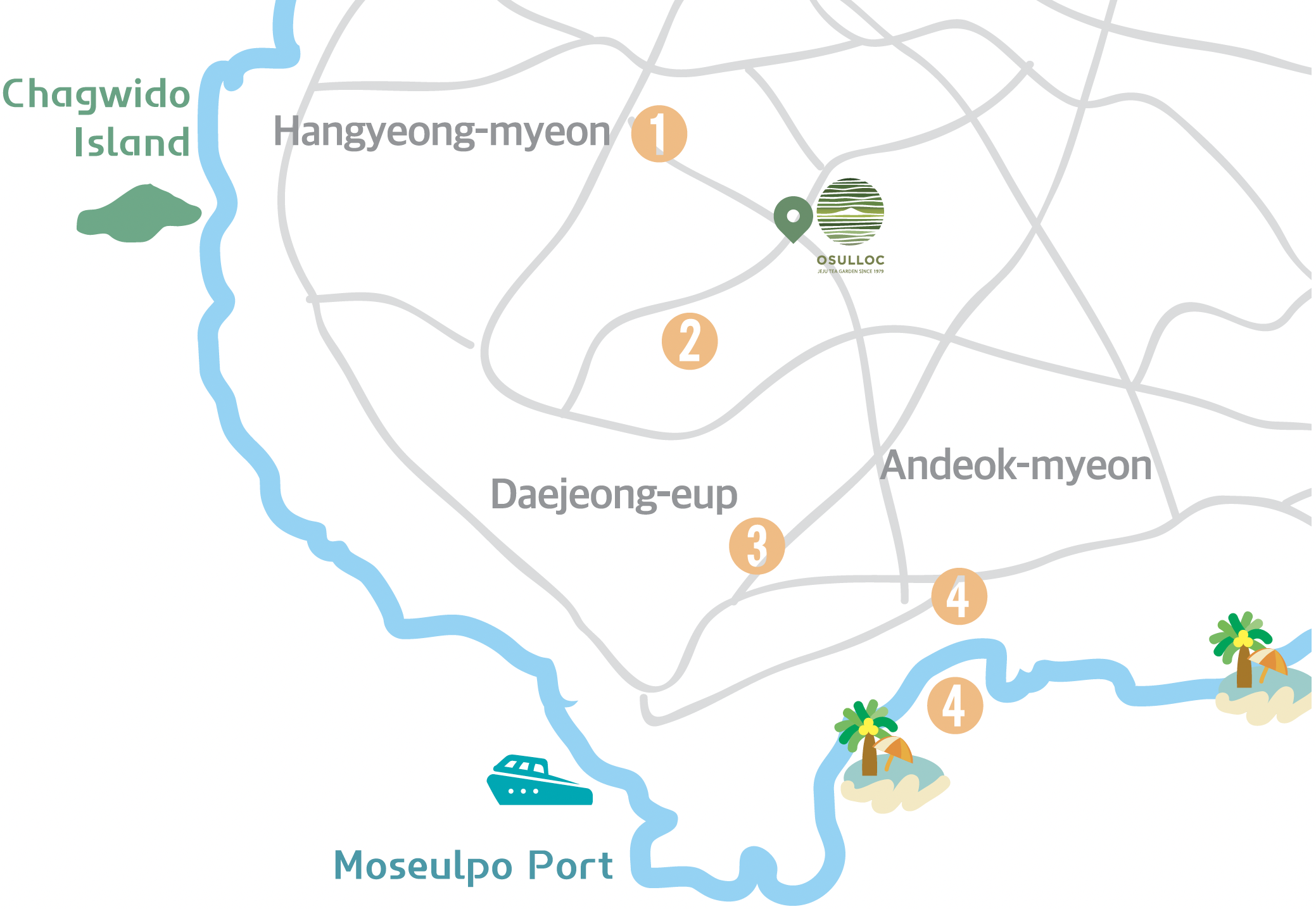
Jeju Western Region: Walking Along the Scent of Tea
1. Hwansang Gotjawal Forest: Explore Jeju’s ecology with guided forest interpretation
2. Jeju Gotjawal Provincial Park: Walk through the mystical forest known as the “lungs of Jeju”
3. Jeong-hui Kim’s Home in Exile, Seogwipo: Reflect on the legacy of Jeong-hui Kim, one of late Joseon’s foremost scholar-calligraphers, and on Sehando, his celebrated work created in exile
4. Mt. Sanbang & Yongmeori Coast: Experience dramatic rock formations and layered coastal cliffs