in Issue & Trend
The Resurgence of
K-Soft Power’s Core Engine
BTS
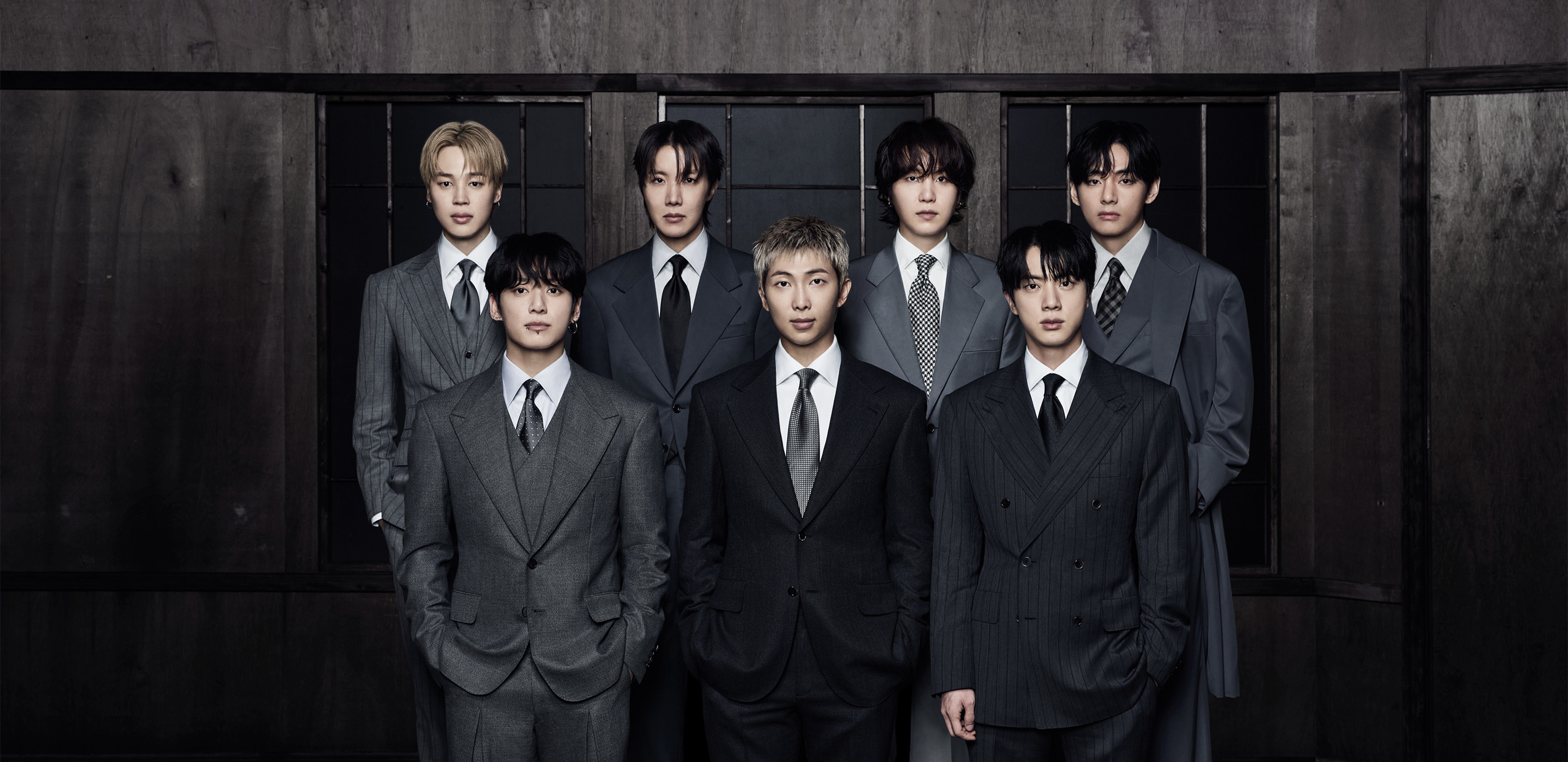
In March 2026, global attention turned to Seoul as BTS returned as a full group for the first time in approximately three years and nine months. Broadcast live on Netflix, BTS THE COMEBACK LIVE | ARIRANG demonstrated how brand power is amplified when a national landmark such as Gwanghwamun is paired with popular culture.
By Na-yeon Kim
Photo Credit Bighit Music
“At the core of BTS’ sustained success lies a consistent philosophy centered on self-respect and solidarity. Rather than relying on formulaic approaches, they infused their music with the struggles, growth, and honest narratives of their journey.”
A Distinctive Brand Philosophy Built on LOVE YOURSELF
Marking the first time Netflix had livestreamed a performance by any individual artist or group worldwide, the event underscored the elevated status of Korean cultural content on global platforms, affirming BTS as a key driver in expanding the reach of Korea’s national brand.
At the core of BTS’ sustained success lies a consistent philosophy centered on self-respect and solidarity. Rather than relying on formulaic approaches, they infused their music with the struggles, growth, and honest narratives of their journey. This sincerity resonates deeply with audiences around the world. The philosophical values embedded in their work serve as the basis for their music’s enduring appeal across time, exemplified by the song “Spring Day,” which has remained on Melon’s annual chart for nine consecutive years since its release in 2017, symbolizing the group’s sustained brand power.
Amid growing employment uncertainty and intensifying competition, younger generations worldwide have increasingly shifted their focus from external validation to inner values and self-defined identity. In this context, BTS’ message, “Love Myself” and “Speak Yourself,” has evolved beyond offering comfort, and come to serve as a philosophical touchstone for a generation. This message aligns with the “meaning-out” trend, in which consumers actively support brands that reflect personal beliefs. By engaging with BTS’ music, fans express their own values, forming a strong foundation for brand loyalty.
From a business management perspective, BTS can be seen as having moved beyond promoting functional attributes and succeeded in becoming a brand that consumers identify strongly with. When a brand’s values align with the consumer’s sense of self, a unique competitive edge is formed, offering a clear illustration of value-driven management in the modern era.
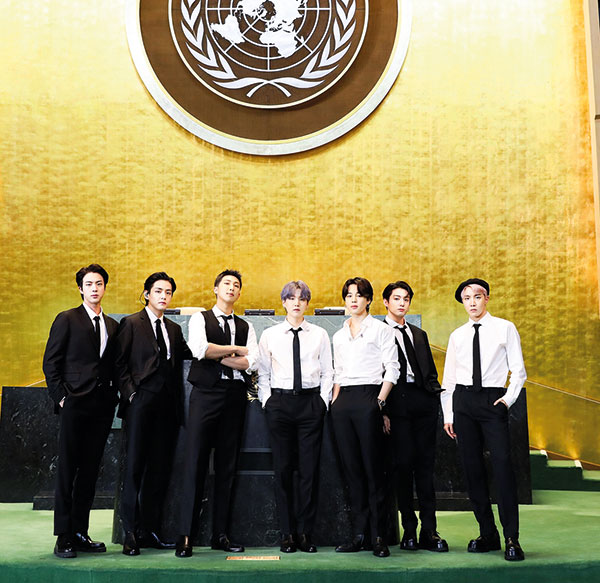 BTS delivering a speech at the opening session of the SDG Moment during the
76th United Nations General Assembly
A Fandom Ecosystem Shaped by Participatory Storytelling
BTS departed from the traditional entertainment industry model of delivering only the polished final output. Through YouTube and social media, the group openly shared their struggles and imperfections behind the scenes, providing an unfiltered view of the creative process. By using YouTube as a continuous archive of their journey, including practice sessions and personal vlogs, and by producing original content such as Run BTS and real-time livestreams, they eliminated psychological distance with their fans. This approach enabled the creation of a direct-to-consumer communication ecosystem, bypassing traditional mass media intermediaries and fostering a strong and cohesive growth narrative.
The documentary film BTS: THE RETURN reveals the album production process and songwriting sessions in Los Angeles, further illustrating this strategy. Portraying the creative journey behind each track enhances trust in the quality of the content while also dissolving hierarchical boundaries between artist and audience, and enabling consumers to experience the “creation and struggle” of a brand in real time represents one of the most advanced models of customer relationship management. The process of integrating the diverse identities of the seven members into a single album also serves as a compelling example of “unity within diversity,” translating a core management principle into a shared fandom experience.
Cities Become Stages and Brands Become Economies
BTS’ influence now extends beyond music, functioning as a powerful source of brand leverage that enhances trust across industries. The BTS THE CITY ARIRANG SEOUL project, launched alongside their comeback, transformed major national landmarks such as Sungnyemun Gate and Namsan Seoul Tower through large-scale media facades, blending cultural heritage with contemporary visual expression. By reimagining the entire city as an immersive brand experience, this initiative went beyond the scope of a concert, turning urban landmarks into platforms for cultural engagement and offering citizens opportunities to engage with arts and culture in their daily lives. It presents a strategic model in which cultural content enhances a city’s attractiveness while maximizing the value of visitor engagement.
The economic spillover effects are equally evident in the data. According to Hotels.com, searches for travel to Korea surged within 48 hours of the January announcement of BTS’ tour schedule, with searches for Seoul increasing by more than 2.5 times, or 155%, compared to the previous week. For Busan, where the group’s tour dates were scheduled around June 12–13, search volume rose by as much as 25 times, or 2,375%. BTS is also at the center of the growing trend of content tourism. In a survey conducted by the Korea Tourism Organization on the “Top 10 Korean Destinations BTS Fans Want to Visit,” the bus stop at Hyangho Beach in Jumunjin, Gangneung, featured in the album YOU NEVER WALK ALONE, ranked first at 21.8%. The fandom’s strong sense of unity translates directly into measurable results when it is activated through content built around the artist’s intellectual property. For example, when BTS’ actual stage costumes were exhibited at the Kensington Hotel Yeouido in 2023, the hotel recorded a near-full occupancy driven by overseas fans. Similarly, the BTS 10th Anniversary FESTA with The Hyundai Seoul event drove a surge in spending by foreign tourists at The Hyundai Seoul department store in Yeouido, with sales increasing by more than 200% month on month, demonstrating substantial consumer impact.
According to the Ministry of Culture, Sports and Tourism’s National Image Survey, BTS has been ranked as the most influential contributor to Korea’s national image every year since 2018. Their global recognition has played a decisive role in raising positive perceptions of Korea among foreign audiences to a record high of 82.3%. This enhancement of national brand value serves as a critical cultural infrastructure, supporting the growth of exports in sectors such as K-food and K-beauty, and enabling Korean companies to establish initial trust in overseas markets.
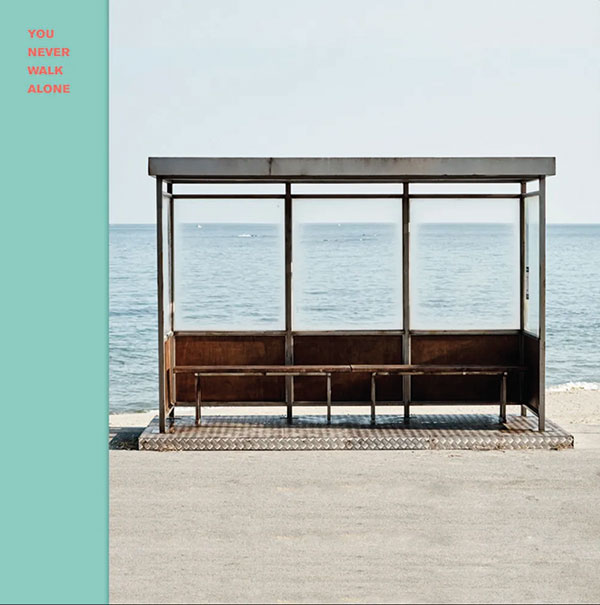 Album cover for YOU NEVER WALK ALONE,set against Hyangho Beach in Jumunjin, Gangneung
A Strategy That Sustained Momentum During the Hiatus
The three years and nine months of BTS’ temporary break represented not a pause, but a period of build-up. The group’s fifth full-length album, ARIRANG, reflects a renewed focus on reinforcing their core identity, with its 14 tracks capturing the members’ evolving perspectives and greater emotional maturity. The upcoming world tour, spanning 85 performances across 34 locations, will serve as the point at which this accumulated energy is fully realized. In particular, the use of a 360-degree stage setup is expected to reduce the visual limitations in large stadium venues, providing a more immersive experience for audiences across all seating areas.
The energy that will be expressed on stage is closely tied to the achievements of the individual members during the hiatus. The structure in which the members’ individual achievements feed back into the group, and the group’s collective strength in turn reinforces each member’s growth, represents a sustainable brand model.
BTS’ return in 2026 signals Korea’s potential to reemerge as a global hub for culture and the economy. Building on the foundation of soft power established by BTS, Korean companies must embrace a strategy of moving beyond product exports to leveraging cultural resonance.
Authenticity, communication and innovation.
These three principles demonstrated by BTS also represent the new coordinates for growth that the Korean economy must pursue.
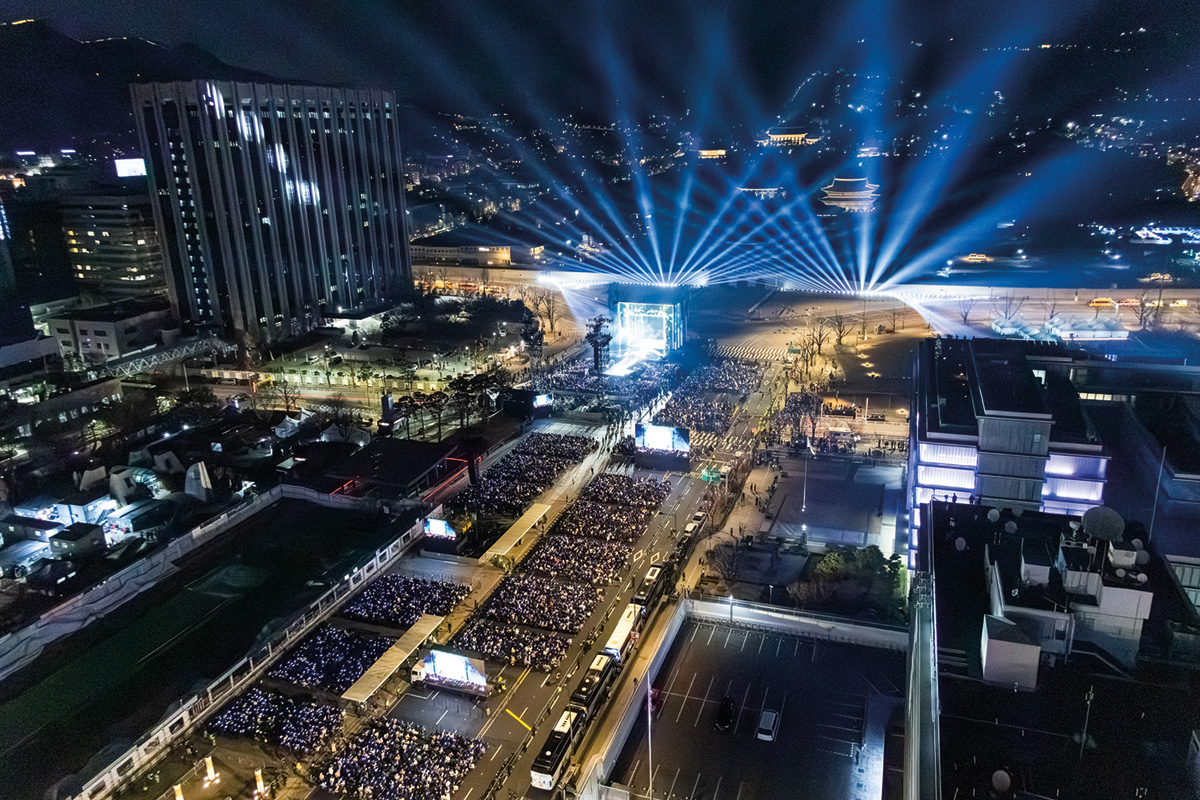 Free performance BTS THE COMEBACK LIVE | ARIRANG held at Gwanghwamun Square in
Seoul to mark the release of the fifth full-length album ARIRANG