in Issue & Trend
Keywords Defining Consumption
and Culture in Korea
#TimeEffectiveness #CommunityFirst #AnswerEngines #K-Heritage
The criteria people are using to make choices across consumption, marketing, technology and culture are shifting rapidly. As price and scale are proving less decisive, time, relationships, experience and identity are emerging as new benchmarks of decision-making. The hashtags in this article offer a concise snapshot of the key trends reshaping Korean society amid this shift.
By Byung-woong Kwon, Professor, Department of Art Management, Graduate School of Arts, Chung-Ang University

Beyond Value for Money: Value for Time
For years, consumer markets were shaped by “value for money,” which evaluates a product’s worth relative to cost. Today, that standard is increasingly giving way to “value for time,” which is a measure of efficiency in relation to time invested. This shift reflects a deeper structural change. As income levels rise and more people are living “time-poor” lifestyles, time itself has become a scarce resource. Korea, in particular, is at the forefront of this trend. The country’s unique high-density urban environment and world-class IT infrastructure have driven logistics innovations such as rapid delivery. This environment has contributed to Korean consumers becoming especially sensitive to the value of time.
Consumers are now willing to pay a premium to secure more time saved. This trend is illustrated by the rapid growth of summarized content that distills long videos into key points, as well as services that outsource time consuming household chores. Companies are shifting their marketing focus toward the value of “time gained” through their services, instead of highlighting purely functional superiority. Ultimately, time-saving is evolving beyond a consumption metric, and becoming a new lifestyle standard that reshapes priorities. It is also expected to emerge as a new global benchmark for efficiency.
Focusing on a Core Community, Not the General Public
“Community first” refers to a marketing strategy that moves beyond one-way messaging aimed at the general public and instead builds deep relationships with groups that share specific tastes and interests. In an era of information overload, consumers place greater trust in recommendations from communities they identify with than in algorithm-driven advertising. As a result, deep, high-engagement relationships with a clearly defined audience, whether through brand-led communities or the direct incorporation of fan input into product development, have become a core strategic asset.
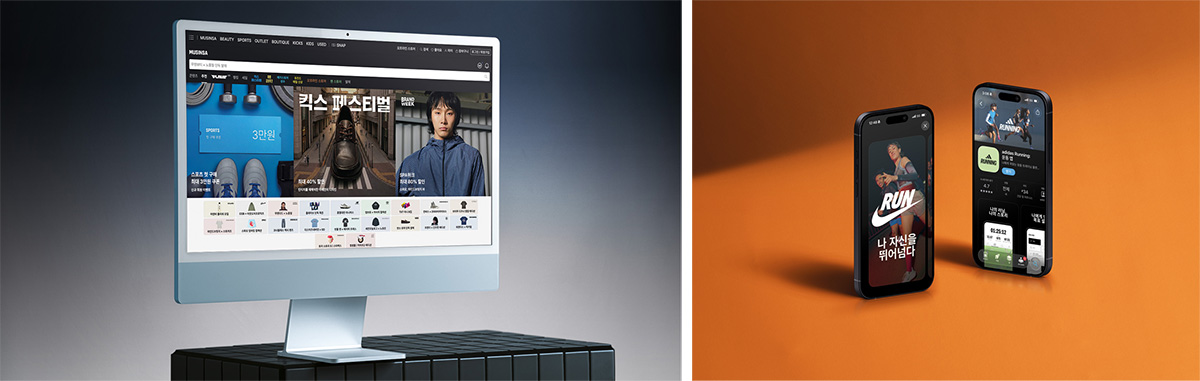
Companies are actively restructuring their brand strategies around communities. Musinsa, for example, grew out of a fashion community into a platform where users share and evaluate style information. User preference data and review content are directly reflected in the selection of new brands and product planning, making the community itself a source of platform competitiveness.
Nike has likewise built user communities through its running apps and training platforms, expanding brand experiences through activity data and participation. Users are no longer seen merely as consumers but as active participants in the brand ecosystem. Highly engaged communities generate content organically, share brand experiences and attract new users, functioning as a powerful engine for growth. This emphasis on focused and deeply engaged relationships underscores a broader implication for global marketing. The ability of communities to reconnect individuals is emerging as a key determinant of brand survival.
From the Age of Search to the Age of Answers
The term “answer engines” captures the transition from a search-driven era, where users actively seek out information, to one in which AI delivers refined answers. In Korea, one of the world’s most digitally advanced and AI-adaptive countries, this shift is already beginning to reshape workplaces and learning environments. In the past, users had to sift through countless links to find relevant information. Today, AI-based services can understand the context of a query and provide concise, structured answers in real time. This lowers the fatigue of navigating search results and filtering out advertisements and now, the focus is shifting from “where to search” to “how to ask.”
This transformation extends beyond information consumption and is now broadly reshaping work and learning. The use of conversational AI is increasing rapidly across tasks such as report writing, research, and schedule management, strengthening its role as a productivity tool. In an environment where accuracy and timeliness are more critical than ever, answer engines represent more than just a technological advancement. They are redefining the cognitive paradigm through which humans acquire and apply knowledge, making people better informed and more efficient in their everyday lives. Korea’s experience, shaped by strong technological foresight, offers a useful and relevant reference point for how AI can function as an intelligent partner and elevate people’s lives.

Experiencing Tradition in the Most Contemporary Fashion
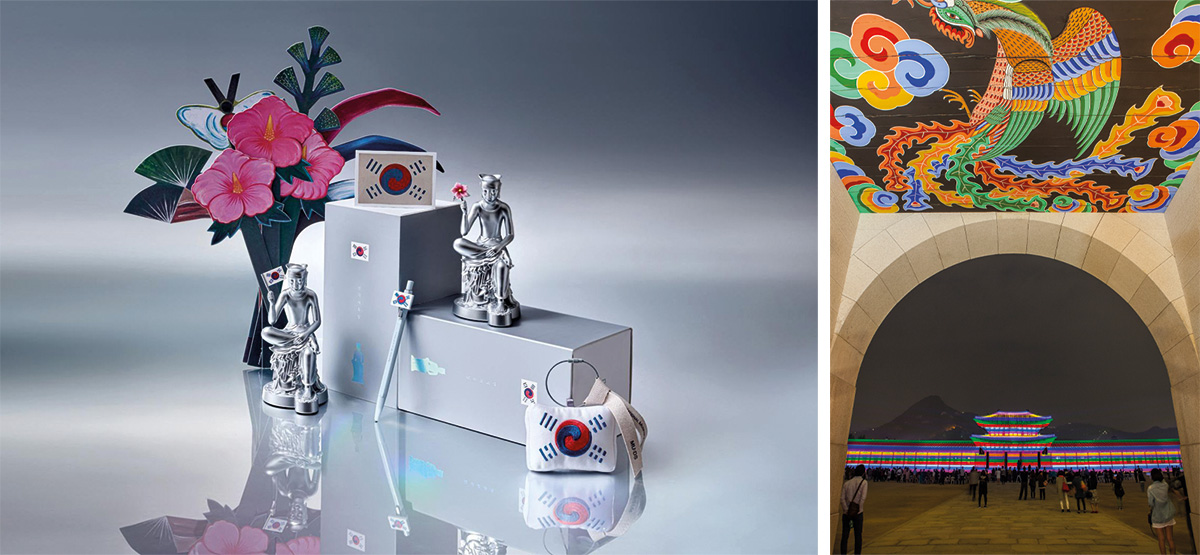
Traditional culture, once confined behind glass panes at museums, has reemerged as part of a refined lifestyle embraced by younger generations. The rise of “K-Heritage” reflects a shift toward reinterpreting tradition—not as something outdated, but as one of the most contemporary and distinctive ways to experience culture.
Examples include fashion brands that reinterpret hanbok, traditional Korean clothing, for modern wear; cafés that reinvent traditional desserts with a contemporary sensibility; and nighttime programs at historic palaces. These offerings reflect growing demand for new ways to engage with tradition.
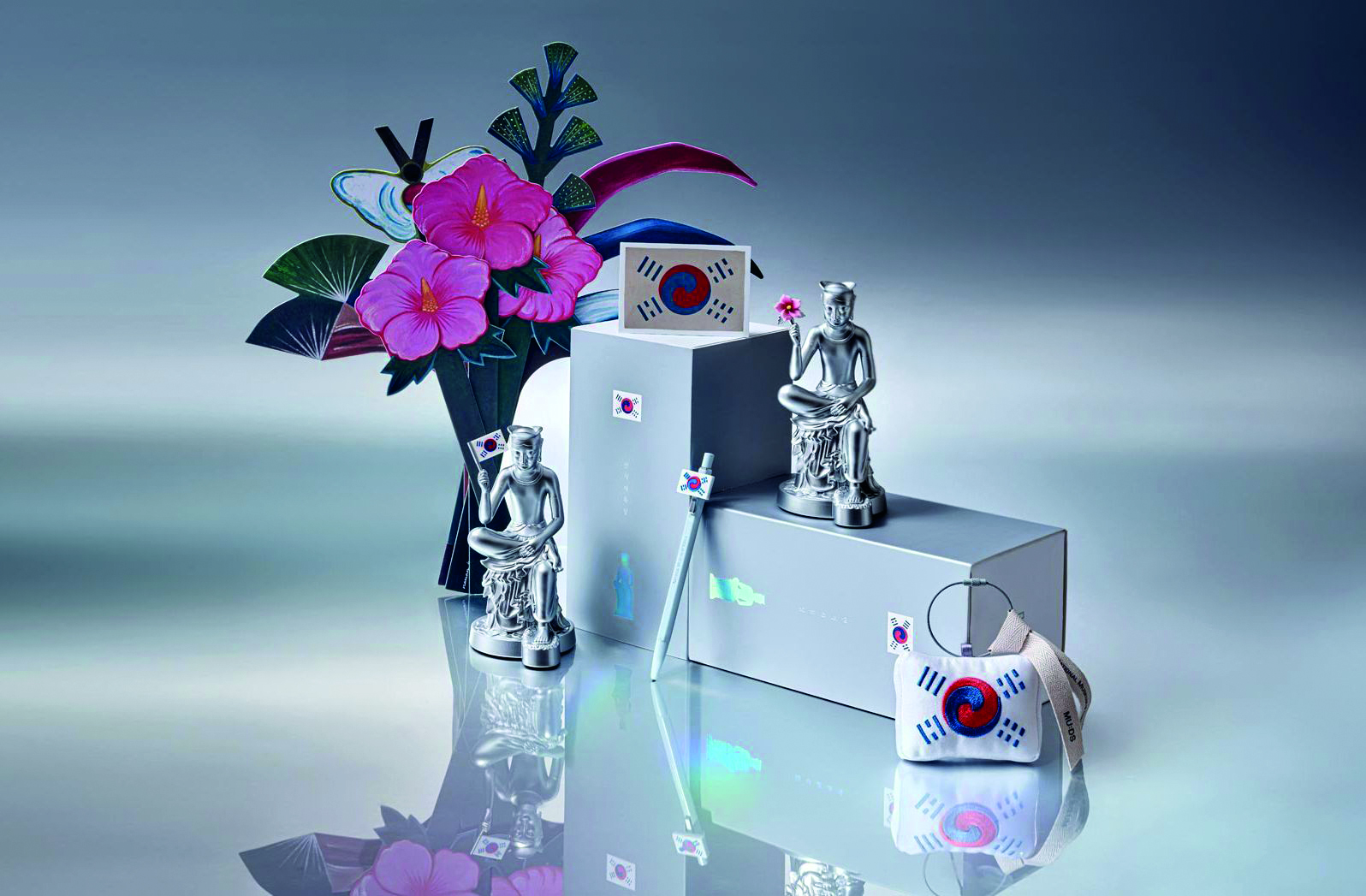
One prominent example is MU:DS, a cultural merchandise brand developed by the National Museum Foundation of Korea. The name is a portmanteau of “museum” and “goods,” and the brand offers products that are inspired by cultural heritage and designed for everyday use rather than display alone. Stationery, lifestyle products, and fashion accessories incorporating traditional motifs preserve symbolic meaning while appealing to modern tastes, particularly among younger consumers.
The scale of this trend is evident in the numbers. In 2025, annual sales of MU:DS reached approximately KRW 41.3 billion, marking a record high. This was nearly double the KRW 21.2 billion recorded in 2024 and more than a sixfold increase compared to 2021. Owning items such as miniature Bodhisattva statues or moon jars is no longer just a simple purchase – it has become a way to express personal taste and cultural sensibility. By preserving the essence of tradition while adding contemporary appeal, K-Heritage is evolving beyond cultural preservation into a distinctive form of content intellectual property with global appeal. It demonstrates how local cultural identity can be transformed into globally competitive soft power.