in Focus
Breaking Through the Boundaries of Tomorrow:
Driven by the Imagination of Youth
Inside the 2026 FKI Future Leaders Camp
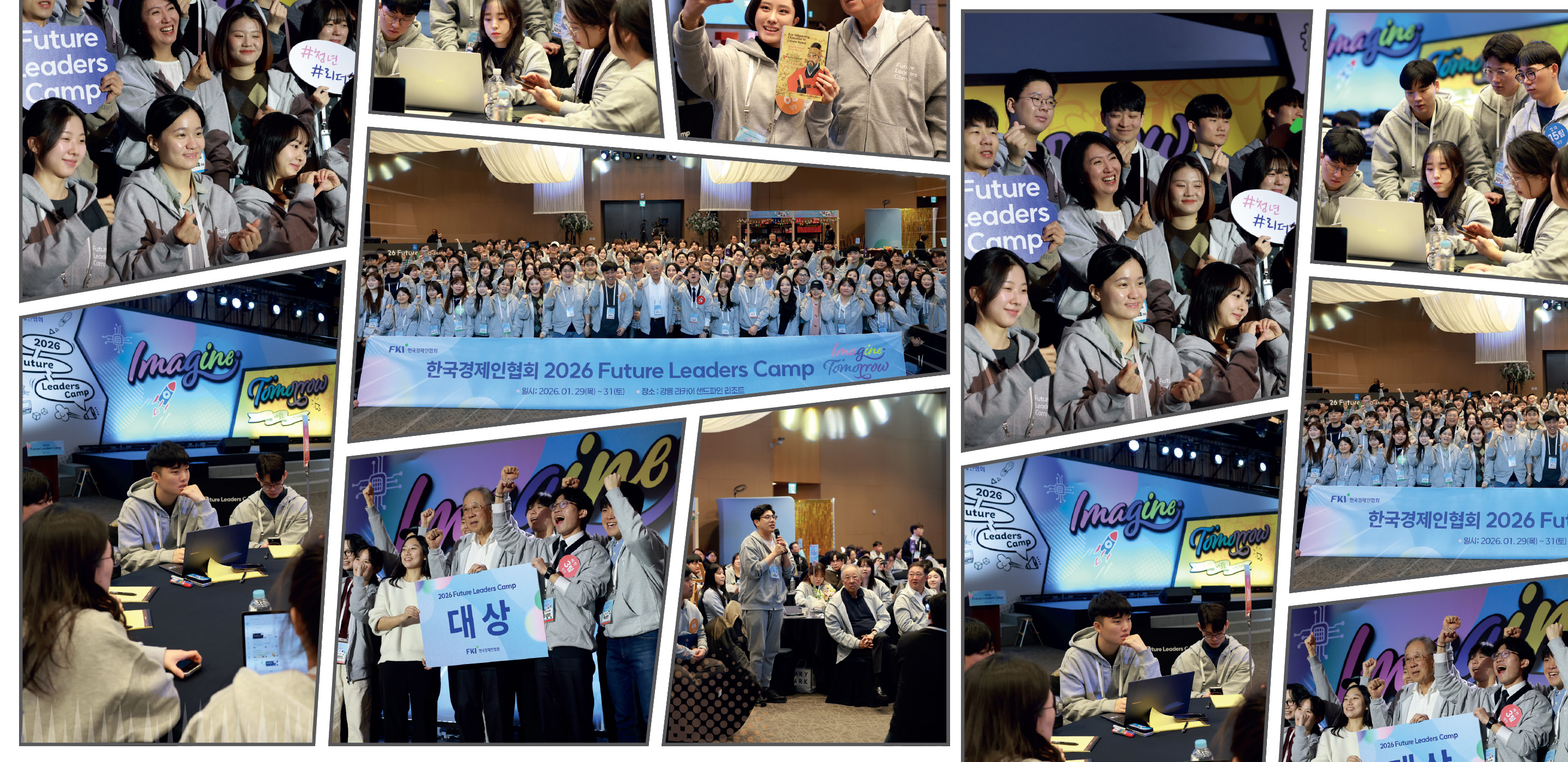
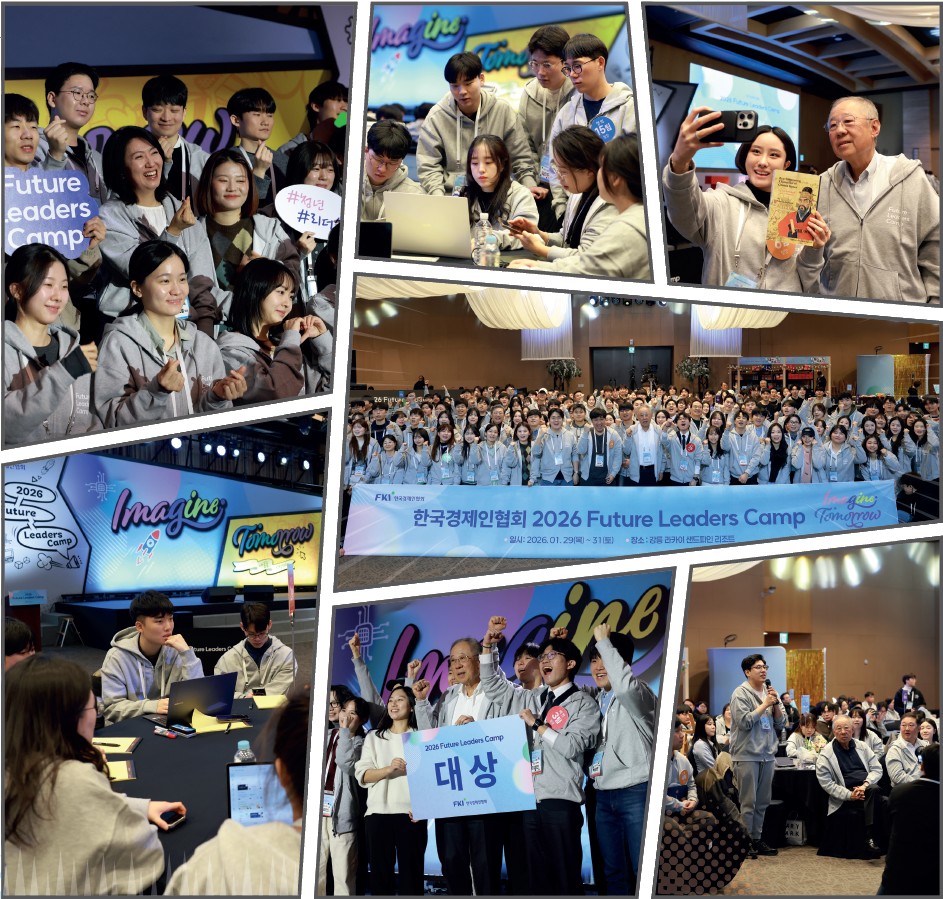
Young leaders poised to shape Korea’s future gathered in Gangneung. Hosted by FKI, the 2026 Future Leaders Camp (FLC) was held from January 29 to 31 as a three-day, two-night program. Now in its third year, the camp has established itself as a leading youth leadership initiative in Korea.
This year’s FLC focused on enabling participants to discover their potential amid a rapidly changing global environment and develop an entrepreneurial mindset required for leadership in Korean society. A total of 150 people from diverse backgrounds, including startup CEOs, military personnel, lawyers and developers, came together under the theme “Going Beyond Boundaries, Imagining Tomorrow.” Through shared insights from experienced leaders, the participants engaged in developing core competencies required of future leaders. A central feature of the camp was a series of lectures held over three days, offering in-depth perspectives across management philosophy, investment, technology and leadership. Speakers representing a range of fields delivered practical insights into the qualities required of effective leaders. The participants, despite their varied professional backgrounds, formed a strong network around the shared goal of building a better future, further contributing to the significance of the program.
By Na-yeon Kim
Photographer Dong-yeol Kim
A Global Leader and the Mentors Who Shaped Him
Jin Roy Ryu Chairman, FKI
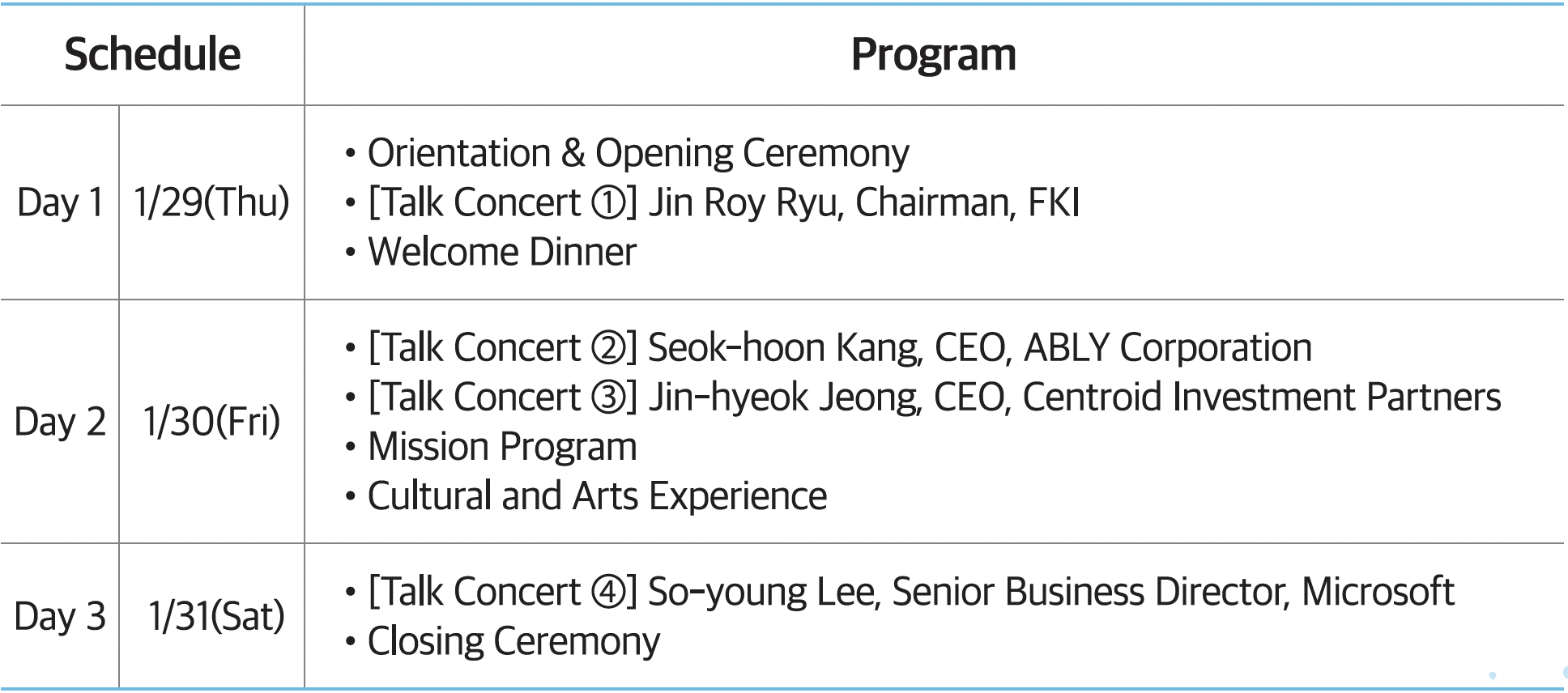
Jin Roy Ryu, Chairman of FKI and a business leader at Poongsan, has, throughout his life, practiced his core personal philosophy of contributing to the nation through the defense industry. Drawing on 27 years of experience, he shared his perspective on the essence of leadership. Chairman Ryu indicated that the foundation of entrepreneurship lies in a strong sense of public responsibility and trust-based networks, and reflected on his experience building genuine connections with global leaders, including former U.S. President George W. Bush and former U.S. Secretary of State Colin Powell. He emphasized that effective leadership requires reducing unilateral decision-making and being willing to engage with experts, as well as being prepared for failure while remaining capable of acting decisively. Chairman Ryu encouraged young leaders to envision a future playing leading roles in services and culture, going beyond manufacturing, to shape a new trajectory for the Korean economy.
Q. What criteria do you use in selecting a trusted second-in-command to avoid unilateral decision-making?
A. The most important qualities are integrity and trust. Even if someone’s capabilities are not fully developed, it is essential that they are honest and transparent. It is also important not to rely on a single individual, but to establish a system in which multiple experts can provide checks and collaborate effectively.
Q. How do you view Korea’s future as it enters a super-aging society?
A. Population decline is an unavoidable reality, but it is necessary to identify breakthroughs through forward-looking immigration policies and structural transformation of industries. Efforts should be made to move beyond a manufacturing-centered economy and enhance value creation through services and cultural infrastructure. If Korea succeeds in establishing a strong infrastructure for supporting globally competitive cultural content, a dynamic economic structure that attracts international talent and visitors can be fostered.
Q. What advice would you offer to young people in this age of globalization?
A. Young people should continuously invest in self-development, not only by acquiring foreign language skills but also by cultivating their distinctive strengths and expertise. Above all, I would emphasize the importance of committing fully to the work at hand. Demonstrating success in one’s current role naturally leads to future opportunities.

“Do not be discouraged by uncertainty. Continue to build your global capabilities and imagine what lies beyond boundaries. That vision will become the new future of Korea.”
A One-Team Leadership that can Build the Next Ecosystem
Seok-hoon Kang CEO, ABLY Corporation
Seok-hoon Kang CEO of ABLY Corporation, founded his company with a commitment to addressing the social exclusion he witnessed at a young age. Guided by the philosophy of “enABLYing,” which seeks to create opportunities for those with limited access to supportive infrastructure, he led ABLY to achieve unicorn status. He emphasized that a leader’s vision for meaningful innovation must be translated into a viable business model through strategic execution, and that the essence of a startup lies in building a community where colleagues are willing to buy into a long and challenging journey. He also stressed that leadership is ultimately defined by a “one-team” mindset, in which all stakeholders, including employees and sellers, grow together, and by responsible management that shares the fruits of growth.
Q. How do you view the term “ABLY look,” which is sometimes used in a satirical sense?
A. I am grateful that our brand has become widely recognized to the point of being used as a common expression. At the same time, with further individualization of personal preferences and a culture of mutual respect taking hold, the tendency to disparage certain styles will likely diminish. As our platform continues to expand across all age groups, I hope that the term “ABLY look” will evolve into a concept that reflects and respects individual expression rather reference a certain fixed image.
Q. After reaching 10 million users, what is the next stage of ABLY’s branding strategy?
A. While we have focused on performance data-driven marketing to build our user base, we are now shifting toward fandom-driven and offline marketing to convey ABLY’s unique identity. We plan to expand collaborations linked to fan communities, including sponsorships such as T1 and partnerships with idol groups. Starting with the opening of a showroom in Seongsu this year, we will also broaden in-person opportunities for users to experience ABLY’s distinct brand sensibility.
Q. What strategy enabled ABLY, as a late entrant, to become the market leader?
A. We focused on low-end innovation, beginning with the most affordable segment of the market to build market share. We attracted users by offering low-priced products unavailable on other platforms and by offering free shipping. At the same time, we lowered entry barriers by establishing a fulfillment system, enabling sellers to concentrate on styling.
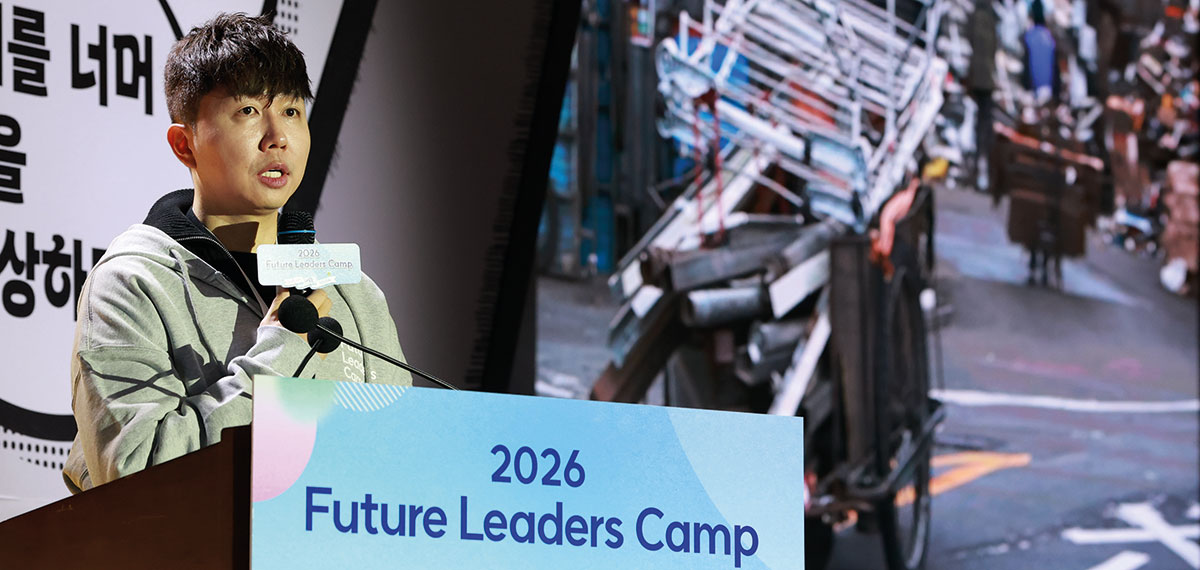
“Companies exist not only to maximize shareholder value, but to enable all stakeholders to prosper together. Leaders must instill in their organizations the conviction that the growth of the business also leads to personal success.”
Turning Bold Ambitions Into Reality
Jin-hyeok Jeong CEO, Centroid Investment Partners
Jin-hyeok Jeong who founded his company at the age of 32 and went on to acquire TaylorMade, one of the world’s top three golf brands, has brought entrepreneurial drive to the conservative field of finance. He believes that a leader’s strong vision is the greatest source of confidence and momentum for an organization. He has demonstrated decisive leadership by taking on large-scale deals worth trillions of won and by recovering investment funds through years of litigation, confronting challenges head-on even in difficult circumstances. He added that the essence of leadership is grounded in a sense of responsibility and trust, and shared practical insights on breaking down ambitious goals into smaller achievements and working with team members to turn the seemingly impossible into reality.
Q. Do you believe AI will replace professionals in the investment industry?
A. Routine and standardized analytical tasks are likely to be increasingly handled by AI, even in professions such as law and accounting. However, areas that require persuading company owners and negotiating complex terms face to face, which involve human judgment and interaction, are less likely to be replaced. Rather than viewing AI as a competitor, we intend to use it as a powerful tool to identify opportunities more efficiently.
Q. What are the key differences and challenges between investment banking and private equity?
A. Investment banking serves primarily in an advisory capacity, while private equity assumes direct responsibility for outcomes. Advisors’ roles may stop short at making recommendations, but private equity firms need to determine whether those recommendations are viable and bear the consequences of failure, which can affect the firm’s survival.
Q. What is the key to gaining the trust of limited partners in a conservative investment environment?
A. Ultimately, it comes down to consistency in honoring commitments. Trust built through even small promises can form a foundation for large-scale investments. One needs to build a track record that demonstrates integrity and reliability. Only then can one secure access to conservative capital markets.
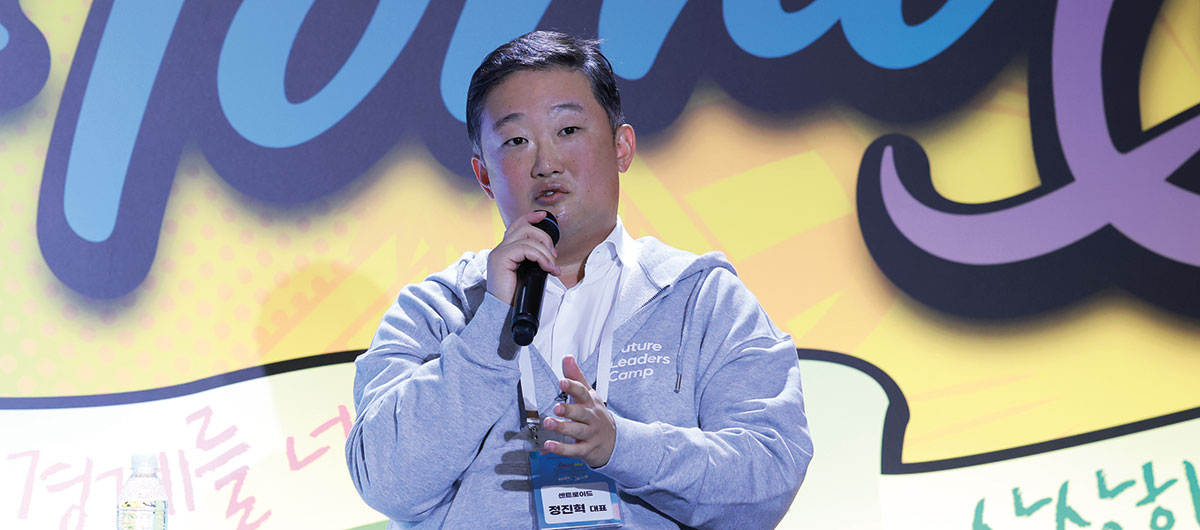
“A leader’s role is to present a larger vision when others are inclined to settle. When ambitious goals are broken down into smaller, achievable milestones and shared with the team, organizations can ultimately reach destinations that once seemed unattainable.”
From the Lone Genius to the Collaborative Leader
So-young Lee Senior Business Director, Microsoft
So-young Lee, Senior Business Director at Microsoft, who witnessed the company’s dramatic turnaround firsthand, emphasized that corporate success requires not just technological capability, but also a growth mindset among employees. She noted that Microsoft’s resurgence was driven by a shift away from an insular focus on a single platform, Windows, toward a collaborative culture centered on contributing to the success of others. She highlighted that in the era of AI, leaders must adopt a “learn-it-all” mindset, continuously developing their own capabilities while enabling the potential of colleagues and customers. She further stressed that a key capability for future leaders will be practicing community-oriented leadership, which involves building a cycle of individual growth that leads to organizational innovation.
Q.As AI reshapes the job market and reduces entry-level opportunities, what qualities do young leaders need?
A. Whether starting a business or beginning a career, the most important quality is a sense of ownership. The first step in leadership is having a mindset of taking responsibility for solving issues at hand. AI has significantly enhanced individual productivity, and now, the focus should be on whose success it can help enable. Rather than focusing on the technology, one needs to identify opportunities within the needs and challenges of a generation and maintain a commitment to continuous learning. Putting this into practice can propel everyone into being pioneers.
Q. What practical advice would you offer for building personal influence on the global stage?
A. I recommend actively using global platforms such as LinkedIn. With advances in translation technology lowering language barriers, it is important not to confine one’s experience and knowledge to the Korean language, but to share them in English and other languages to reach a global audience. Personal influence grows through consistently documenting and sharing one’s perspectives, with opportunities following more quickly as a result.