in Story & News
Expanding the World through Steel,
Shaping the Future through Culture
Pohang and Gwangyang
Long known as steel cities, Pohang and Gwangyang are now transforming cultural and travel destinations, driven by POSCO’s landmark development programs. By reinterpreting industrial heritage as cultural, artistic, and tourism assets, the two cities are creating spaces where residents and visitors can stay, explore, and engage. Across both cities, efforts are under way to revitalize local economies while expanding access to culture.
By Na-yeon Kim
Photo Credit POSCO
Urban Transformation Built by Business and Community
The changes taking place in Pohang and Gwangyang go beyond simple city rebranding. They represent a new flow of urban culture jointly shaped by local communities and corporate leadership.
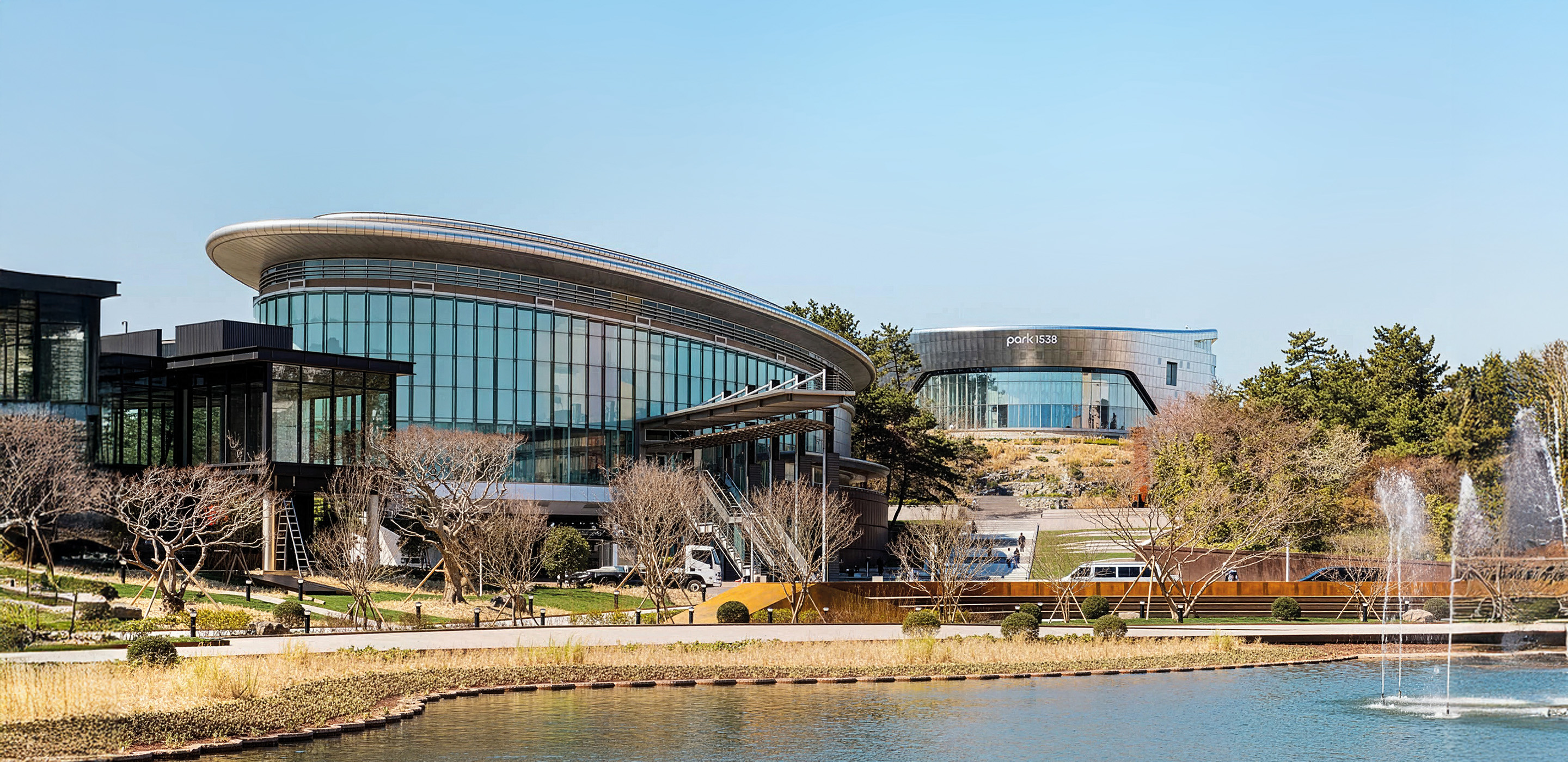
POSCO’s landmark development initiatives are long-term, strategic projects that pursue two goals at once: revitalizing local economies and improving cultural accessibility. Since opening in April 2021, Park1538 Pohang has welcomed more than 200,000 visitors. Park1538 Gwangyang, which opened in April 2025, attracted approximately 17,000 visitors within just seven months of its opening, as of November 2025. The evolving cityscape, rising visitor numbers, and growing interest in local cultural content clearly illustrate how this transformation is taking shape.
POSCO has also been proactive in promoting these regions through content platforms. Via its YouTube channel, POSCO Studio, the company invites influencers to Pohang and Gwangyang and produces a steady stream of travel content that highlights the cities’ emerging appeal.
Supported by these efforts, Pohang and Gwangyang are moving beyond their identities as steel cities and establishing themselves as visit-worthy destinations. As culture, art, leisure, and learning are layered onto an industrial foundation, the two cities gain greater depth — and evolve into sustainable hubs in which business and local communities grow together.
By preserving their identities as steel cities whilst also creating spaces that residents and visitors recognize as cultural destinations, Pohang and Gwangyang are pursuing a key urban strategy that links their industrial heritage to their future.
Pohang, Where the History of Steel Meets Art
Pohang, the heart of Korea’s steel industry, is being reinvented as an emerging tourist destination, and its industrial landscape repurposed for artistic and cultural experiences. At the center of this shift are POSCO’s cultural facilities and industrial tourism programs.
 Reserve Park1538 Pohang
Spot 1. Park1538 Pohang History Museum
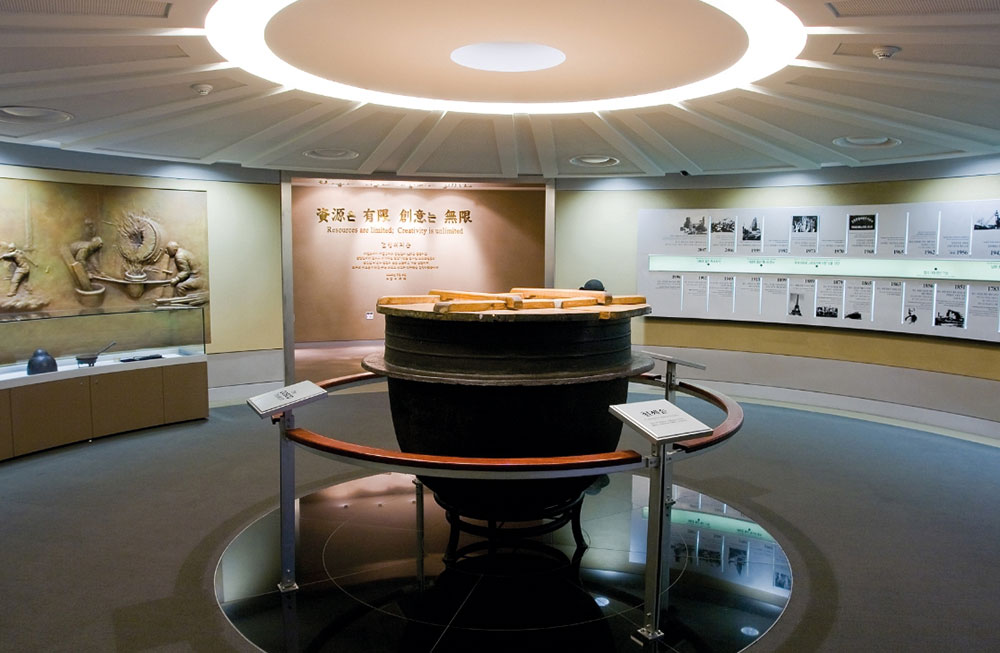
The History Museum at Park1538 Pohang presents Korea’s history of industrialization through the eyes of individuals and historical records. Diaries kept by founding members, photographs from overseas training programs, original blueprints, and equipment used during the construction of the steelworks paint a vivid picture of the industrial growth era. Work uniforms, notebooks, and letters to family quietly reveal the everyday lives behind technological progress. After the exhibition, visitors can step into a waterfront park and promenade overlooking Yeongil Bay. Blending sculptures with coastal scenery, the area has become an open cultural space enjoyed by families and local residents alike.
Spot 2. Pohang Steelworks Tour
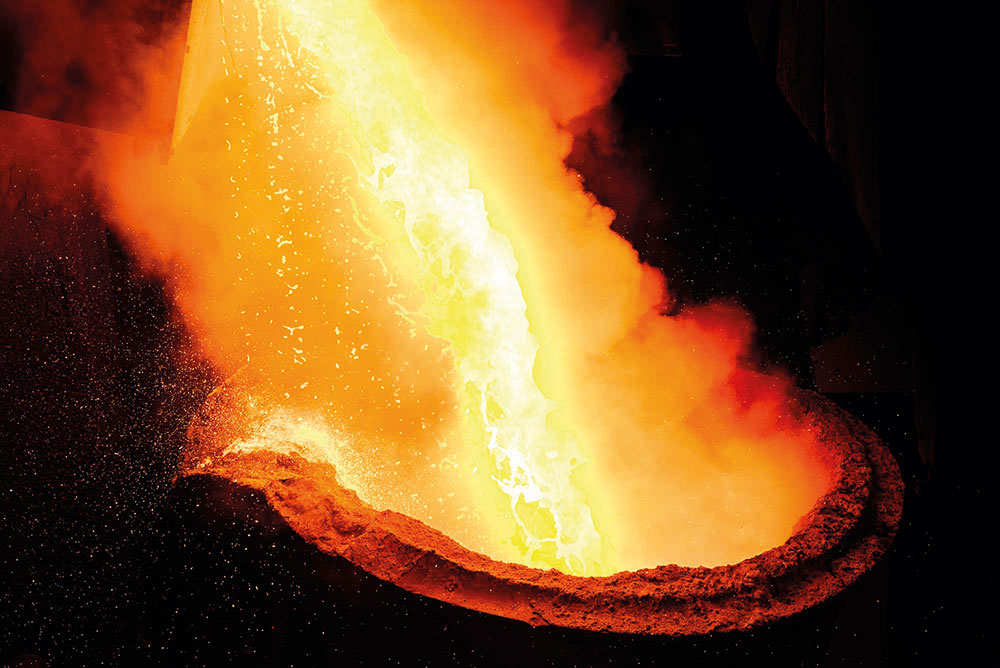
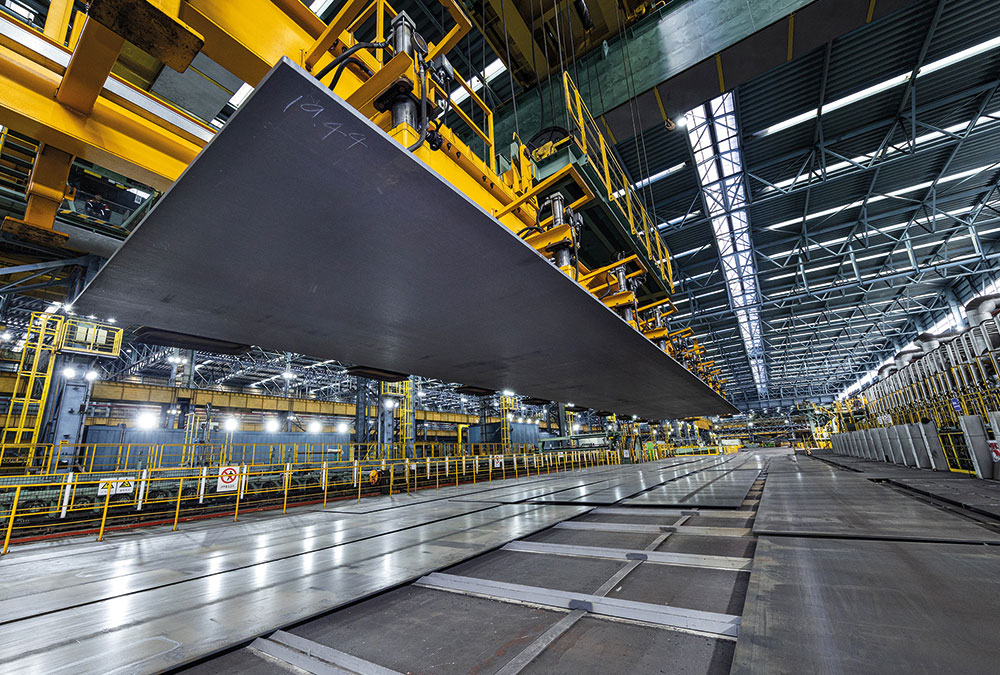
The Pohang Steelworks tour is a flagship industrial tourism program. Visitors travel by bus through a site three times the size of Yeouido, observing the entire production process from blast furnace to steelmaking and rolling. The sight of glowing molten steel in motion and the reverberation of massive facilities offer a direct and powerful sense of Pohang’s identity and energy as a steel city. The experience broadens perspectives on the meaning of the phrase ‘industrial city’.
Spot 3. Space Walk
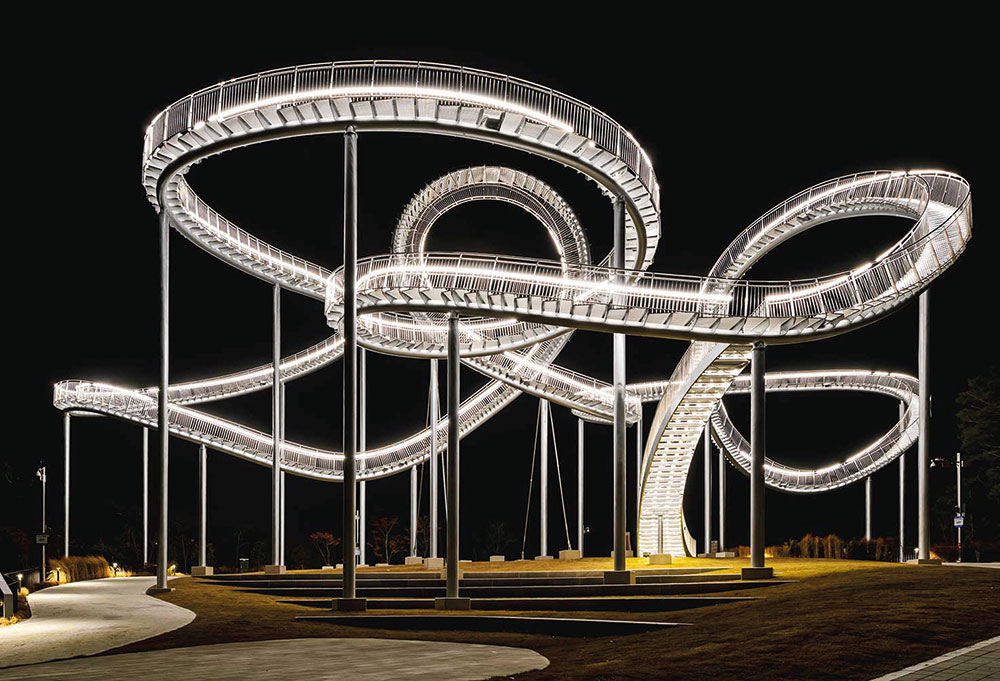
Space Walk offers the most dramatic way to experience Pohang’s landscape. Walking along a 333-meter curved structure, visitors see the city, sea, and steelworks overlap at varying heights, creating a constantly shifting view. At sunset, the lines of steel and layers of light come together to form a striking visual effect. Built jointly by Pohang City and POSCO in Hwanho Park, this installation has become an iconic landmark that transforms industrial scenery into an artistic experience.
Gwangyang, a City of Steel, Art, and Lingering Journeys
Home to the world’s largest single steelworks, Gwangyang is redefining itself as a destination for longer stays by adding art and hands-on experiences to its urban identity. The opening of Park1538 Gwangyang in 2025 has significantly strengthened the city’s cultural infrastructure and created a new pillar for regional tourism.
 Reserve Park1538 Gwangyang
Spot 1. Park1538 Gwangyang Promotion Hall
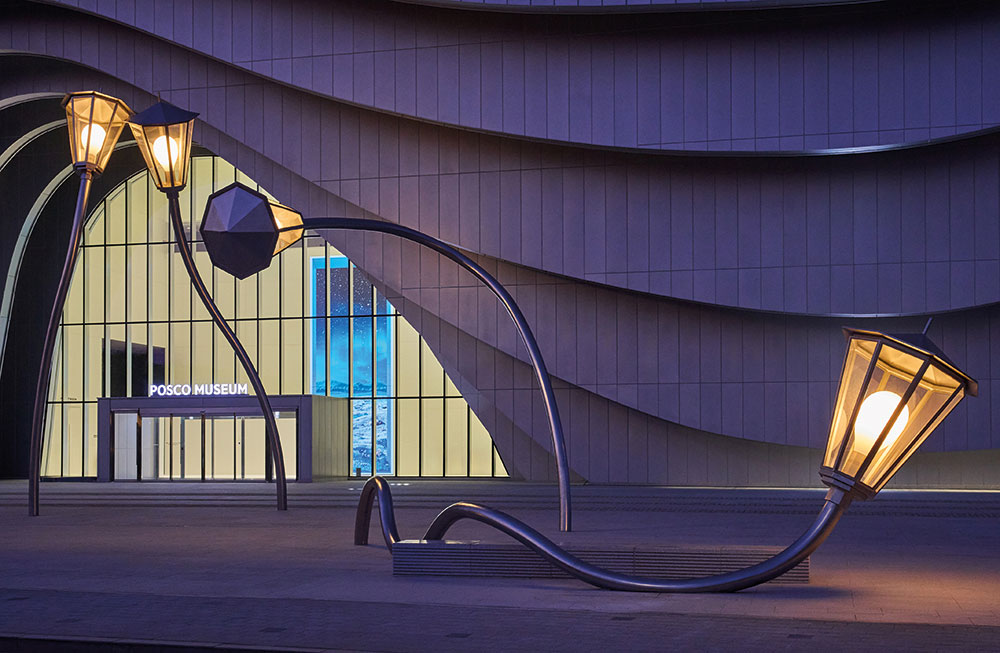
The design of Park1538 Gwangyang stands out through its flowing curves and glass surfaces, giving the entire structure the feel of a large-scale sculpture. Inside the immersive theater, visitors are surrounded by a visual narrative that traces iron ore as it meets the four elements of nature, becomes steel, and eventually returns to nature in a continuous cycle. The steelmaking zone recreates the blast furnace, refining, and rolling processes and provides an immersive experience of being inside a steelworks.
Spot 2. POSCO Art Museum Gwangyang
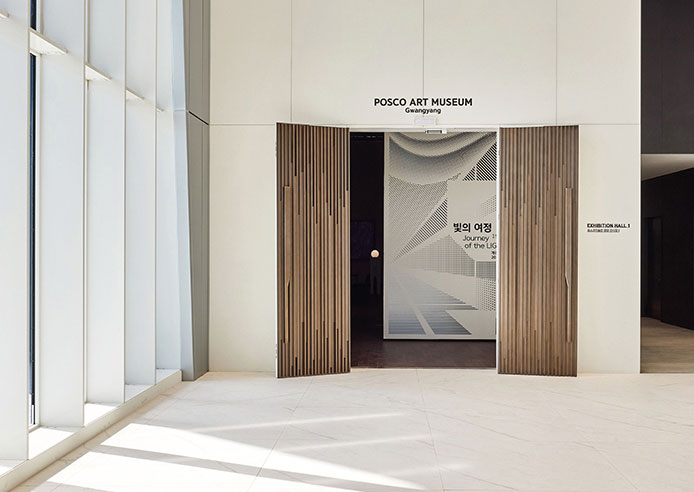
The POSCO Art Museum Gwangyang was established to provide high-quality exhibition spaces for local communities. Through curated exhibitions in collaboration with the POSCO Art Museum in Seoul, it introduces a diverse range of artworks while addressing the region’s previous lack of cultural infrastructure. The museum serves as a tangible example of how corporate ESG initiatives can connect with local culture. Ongoing collaborations with regional artists and a wide range of exhibitions and cultural programs are planned to further contribute to the development of the local arts scene.
Spot 3. Gwangyang Steelworks Tour
The Gwangyang Steelworks tour allows visitors a first-hand glance into the operations of a steelworks. Along the tour route, the vast scale of facilities spanning blast furnaces, steelmaking, and rolling conveys the technological capabilities of a city built around steel production. Designed to present both the history and future of steel, the site uses advanced media and guided systems to enhance understanding. With strong educational value, the program is especially popular with families, and advance reservations are required.